How to design a perfect playroom
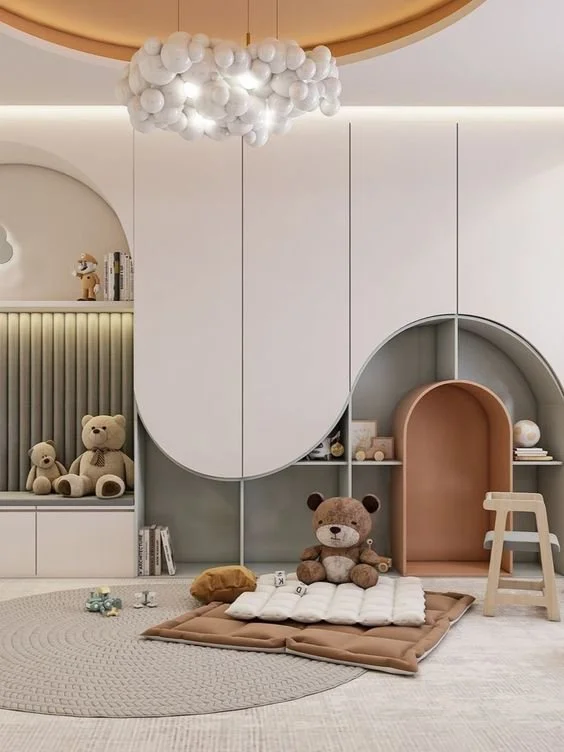
In my experience as an interior designer, encountering clients’ design requests and needs, I often found that when designing a playroom, the options they gave were very limited and usually treated as secondary importance.
However, It is well known that a child’s physical environment can profoundly affect how he or she develops into adulthood.
Playroom therefore should be considered one of the most important rooms in the house.
The joy of decorating a playroom is letting your inner child free to imagine a whimsical and magical place where fantasy, curiosity, and safety form the backdrop for hours of playing and learning.
Playrooms play a significant role in the everyday life of a family, fulfilling various needs and providing essential support.
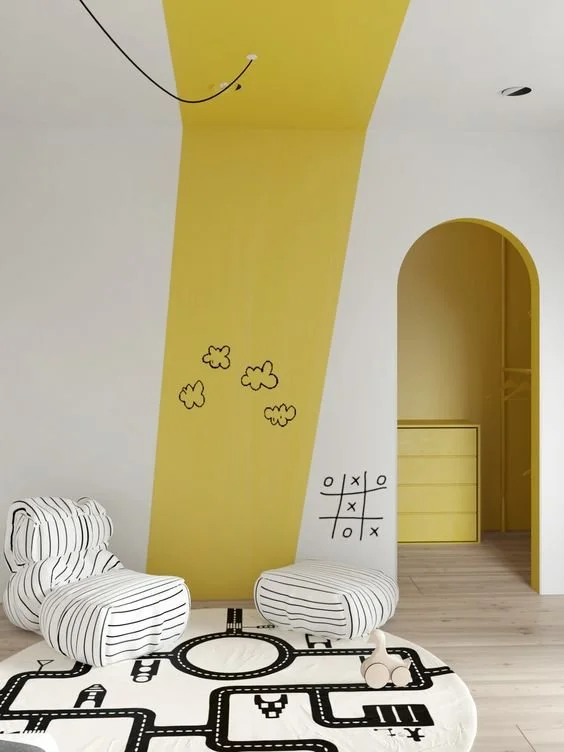
Inspire creative minds through colours: while almost any color can be a good option for decorating a playroom, it's important to be mindful of the amount and shades used. Colours like red, yellow, and orange are stimulating and energizing but too much exposure to them can trigger feelings of aggression and irritability. In contrast pink, green and blue are calming and serene but can lead to feelings of lethargy or lack of motivation if not balanced well.
My suggestion is to decide whether you want an energizing environment or a more focused and serene mood in the playroom. Use colours as accents, preferring a neutral and softer or warmer background.
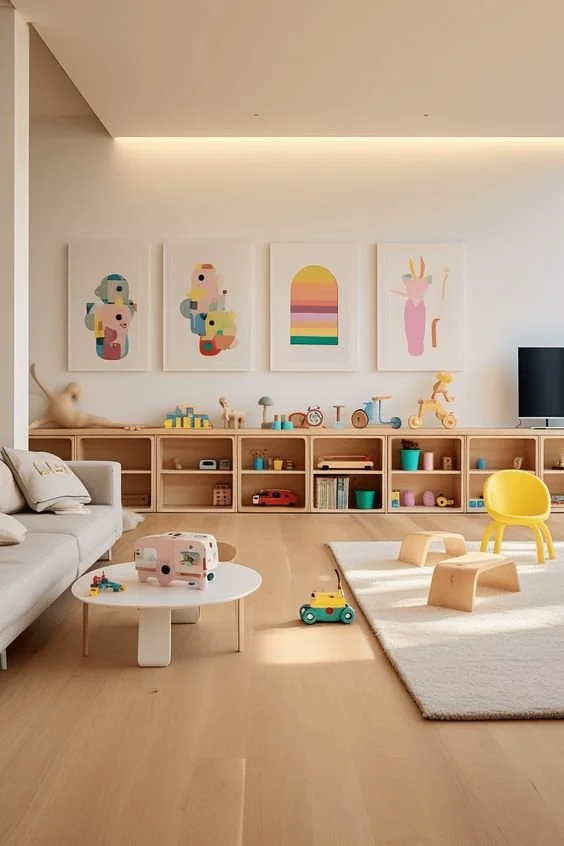
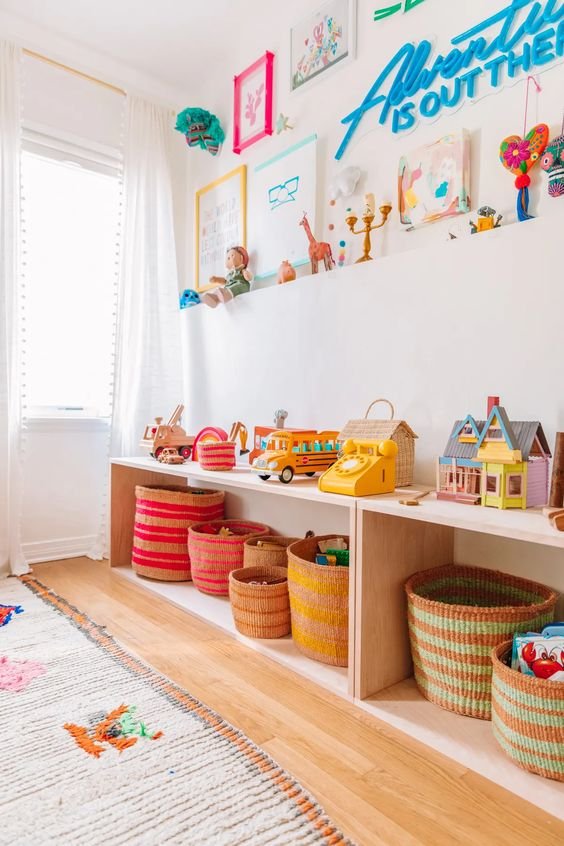
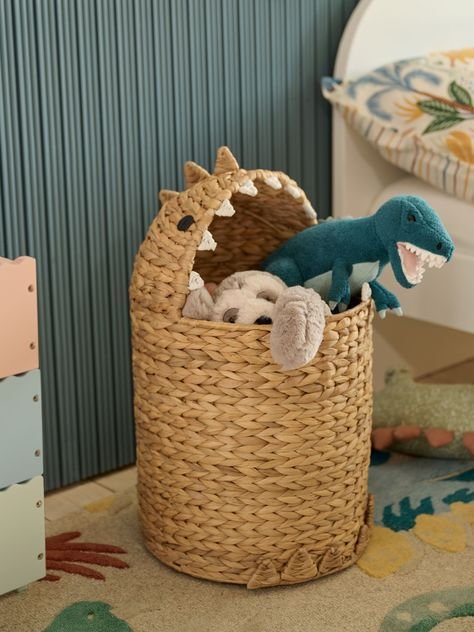
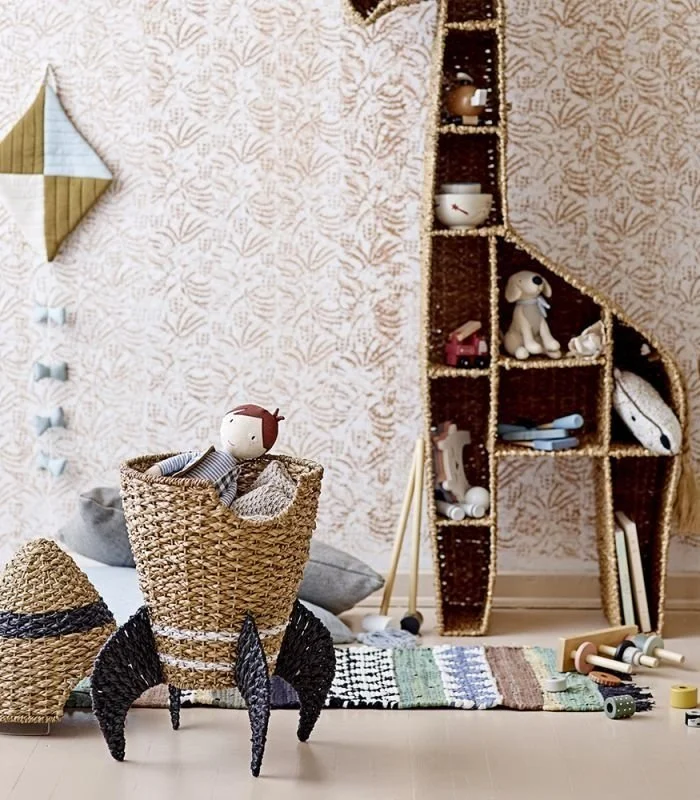
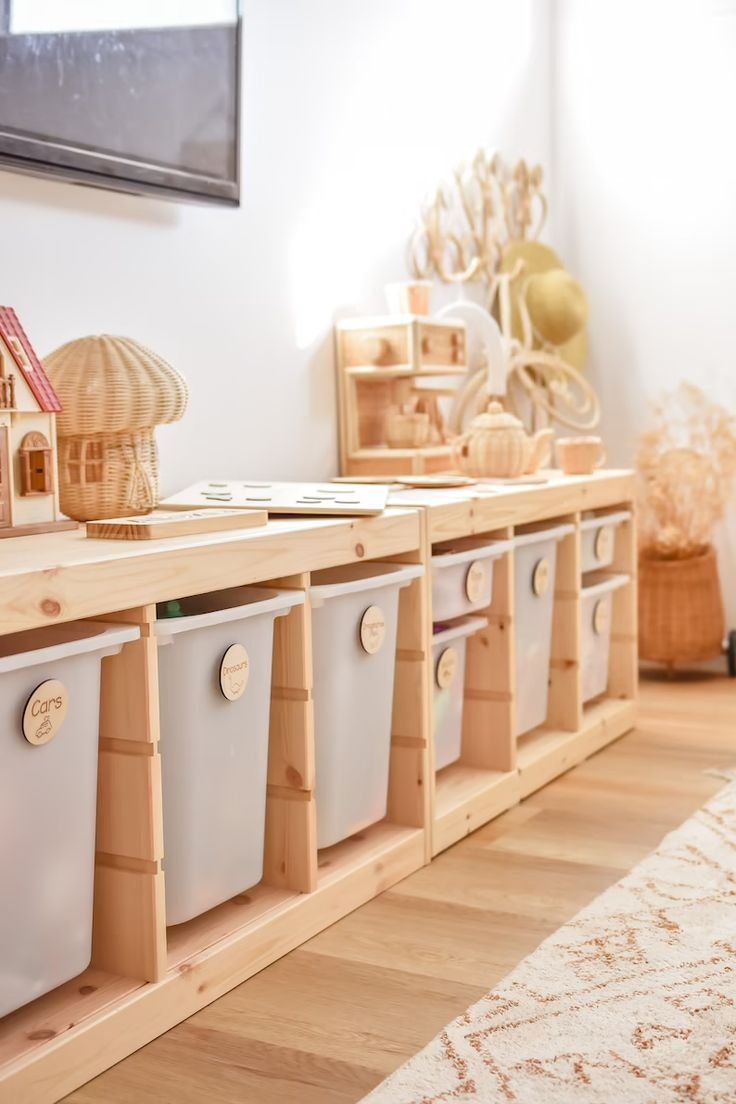
Functional and clutter-free: storage is fundamental in the playroom. Think and invest in space-saving storage solutions preferring internal pull-out storage, soft or stackable baskets, and canvas bags instead of shelves.
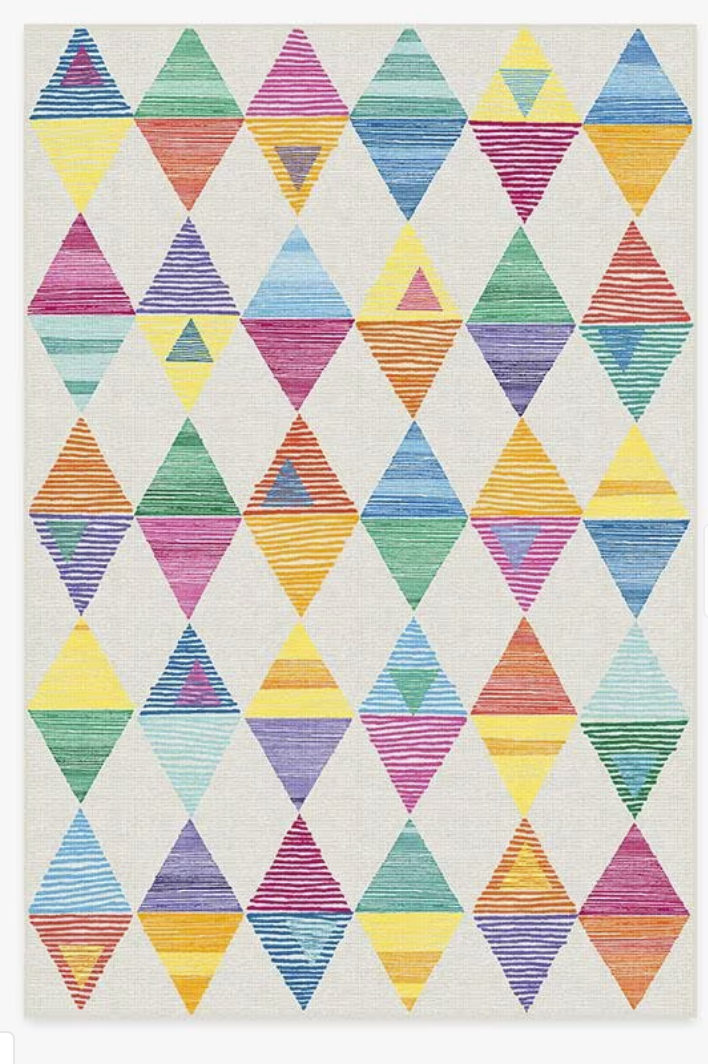
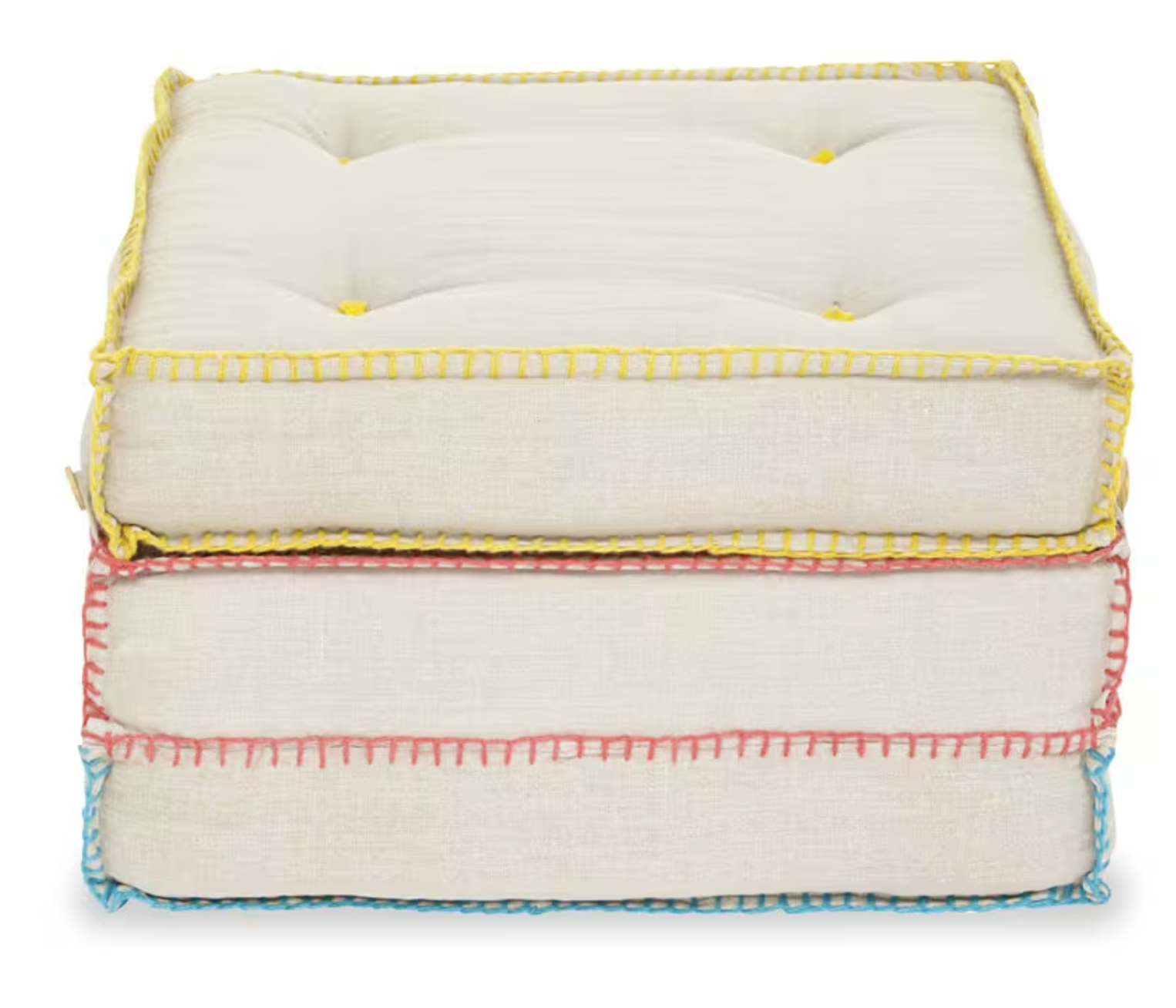
Soft furnishings, like blankets, can promote a sense of calm and safety, acting as safety net for children and boosting their confidence as they grow. Choose durable, washable fabrics and finishes. When selecting a finish or a surface think of the use and the maintenance. Rugs, cushions, playmats, and sofa covers should all be easy to clean.
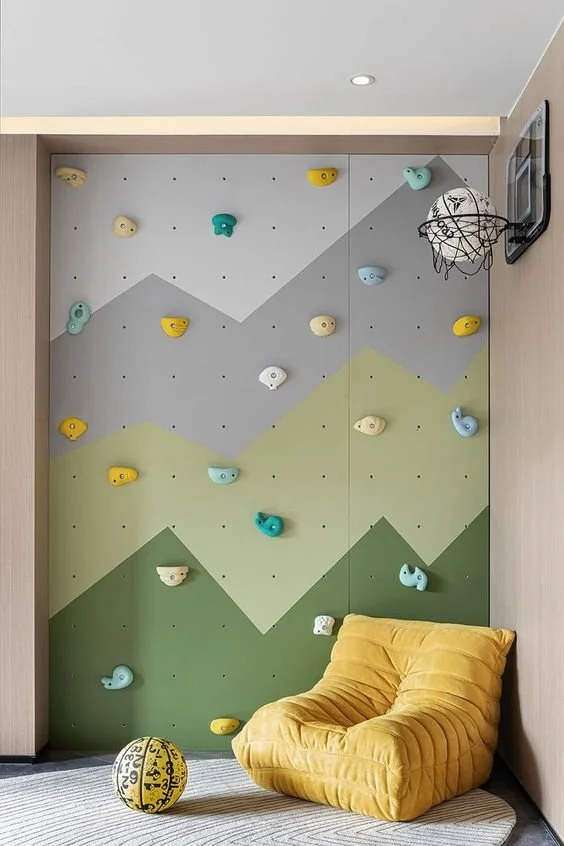
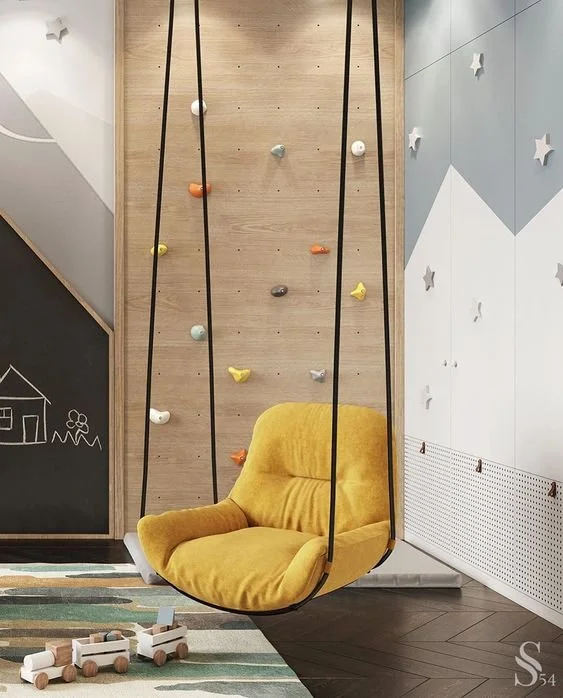
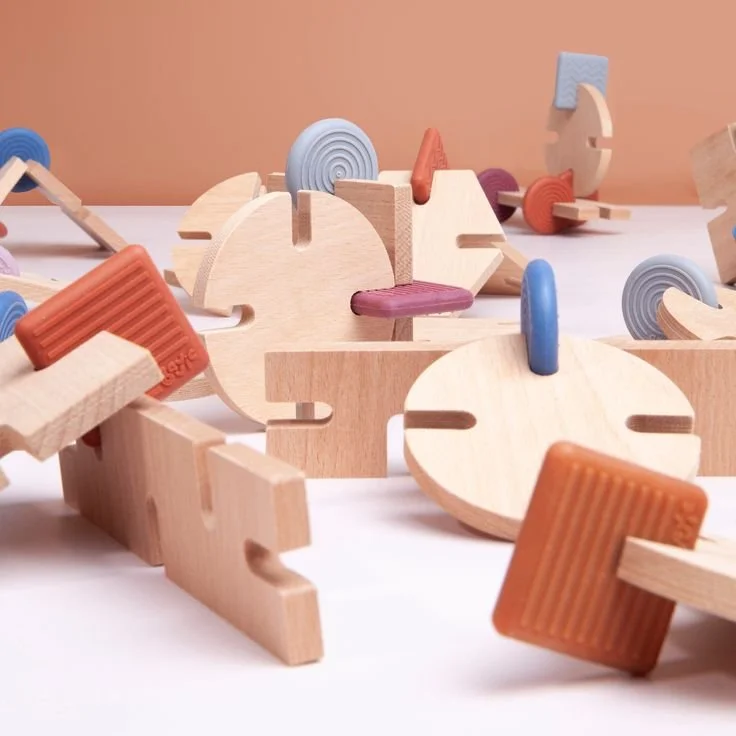
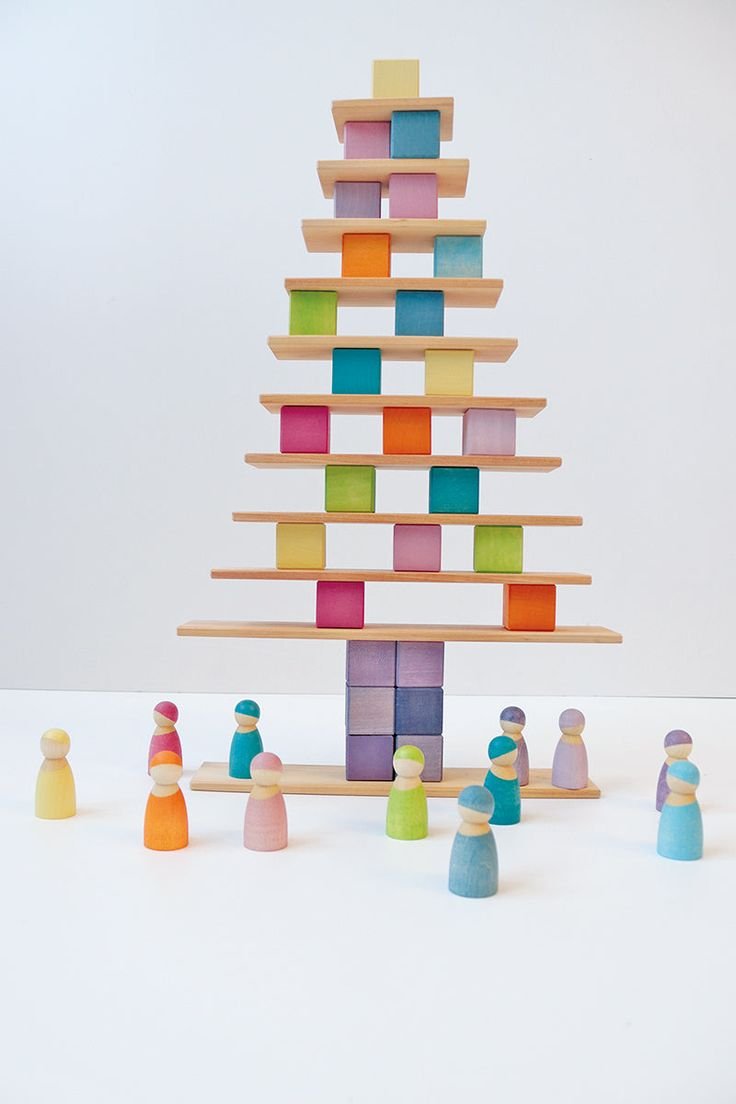
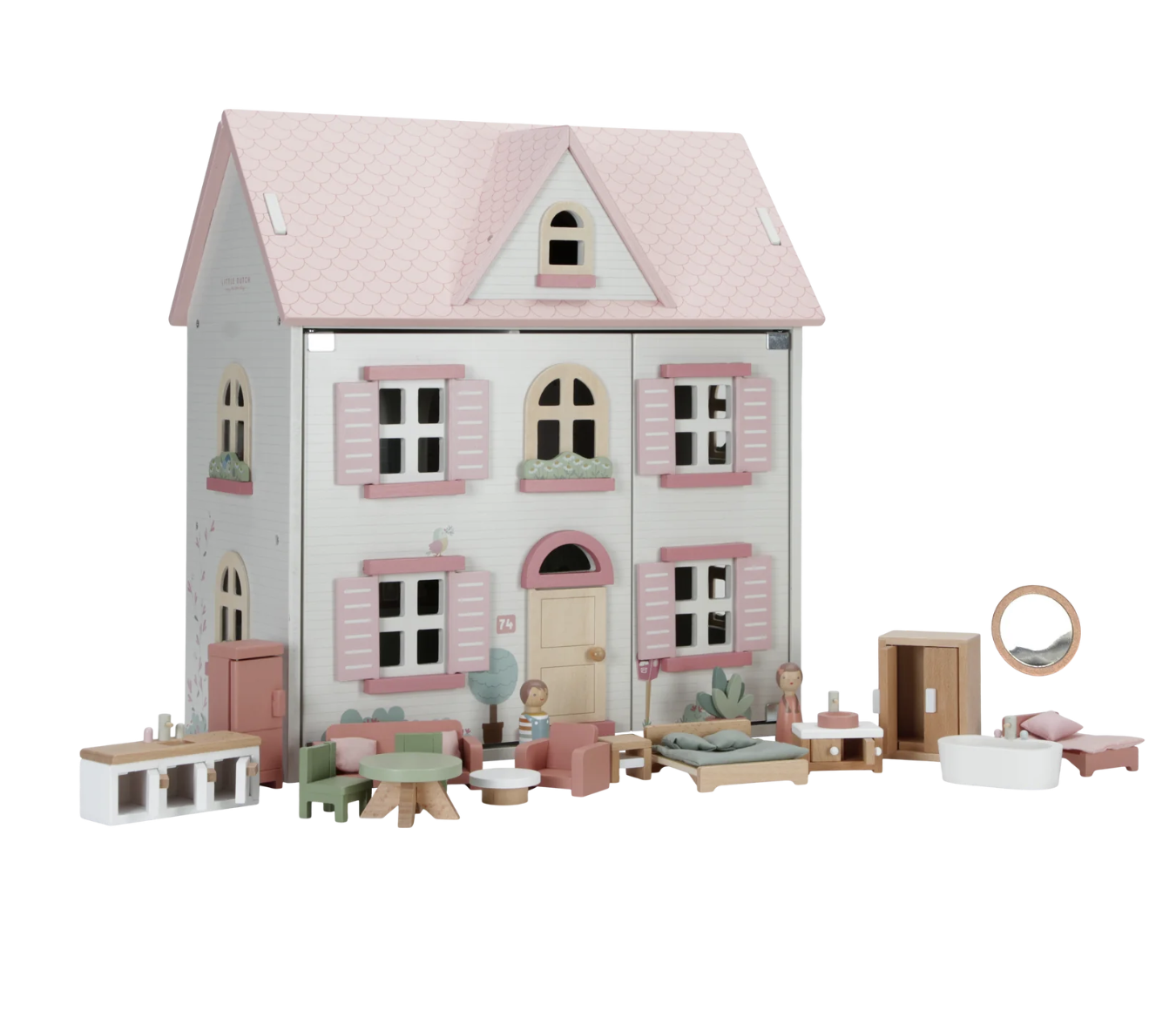

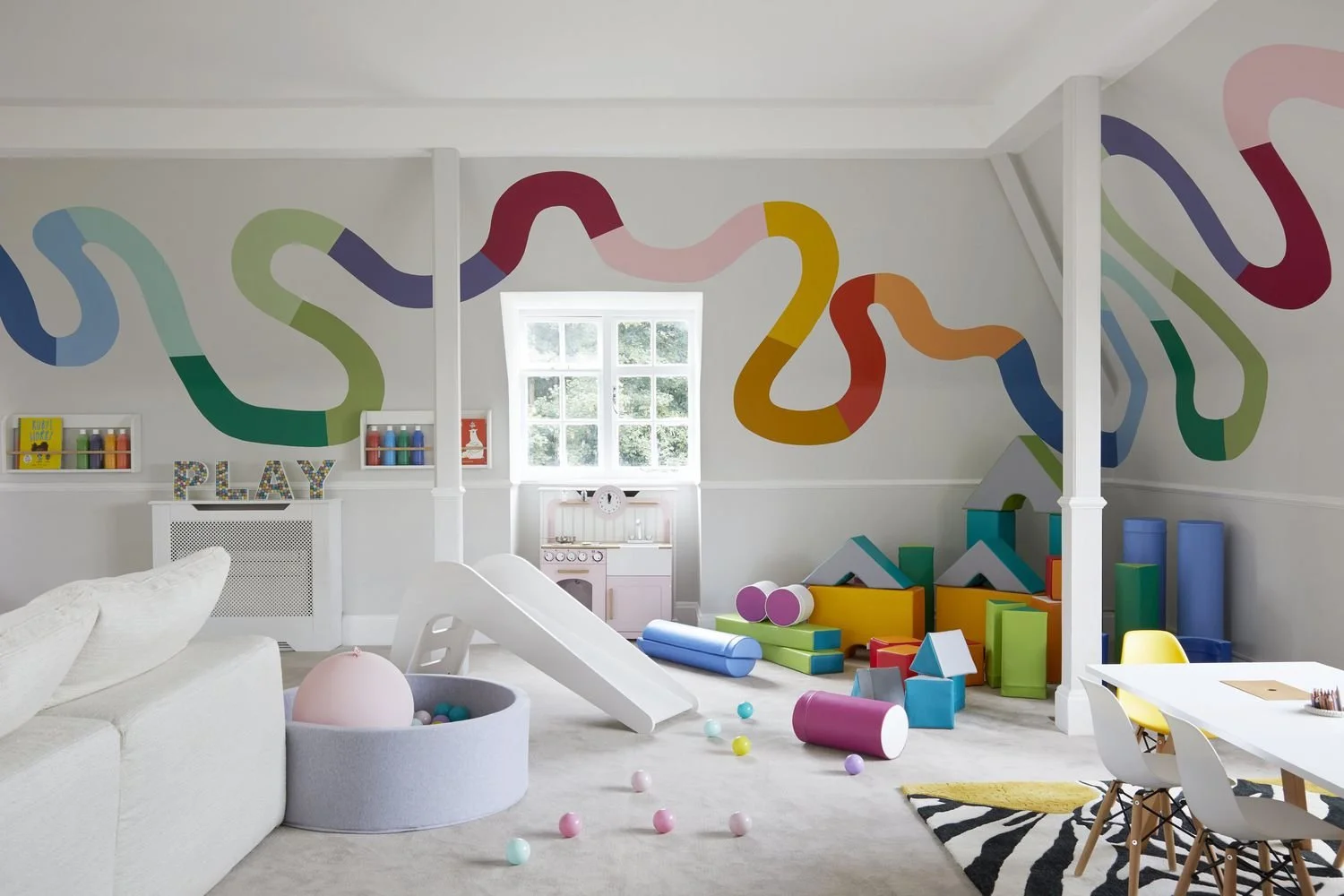
Encourage curiosity and play: if space allows, create areas for activities like monkey bars, climbing walls, or swings. These activities, no longer dependent on weather, stimulate the senses, aid in focus, balance, and muscle control, and strengthen gross and fine motor skills.
Fill also the room with open-ended toys. Most of our home and playrooms are filled with toys that kids truly have no interest in. Open-ended toys are toys that can be used in more ways and keep imaginative and creative children engaged. Open-ended toys are for example blocks, doll house, and wooden train sets.
Don’t forget to use also lights to stimulate the imagination. There are endless options available, and they can complement your design beautifully while also serving a practical purpose.
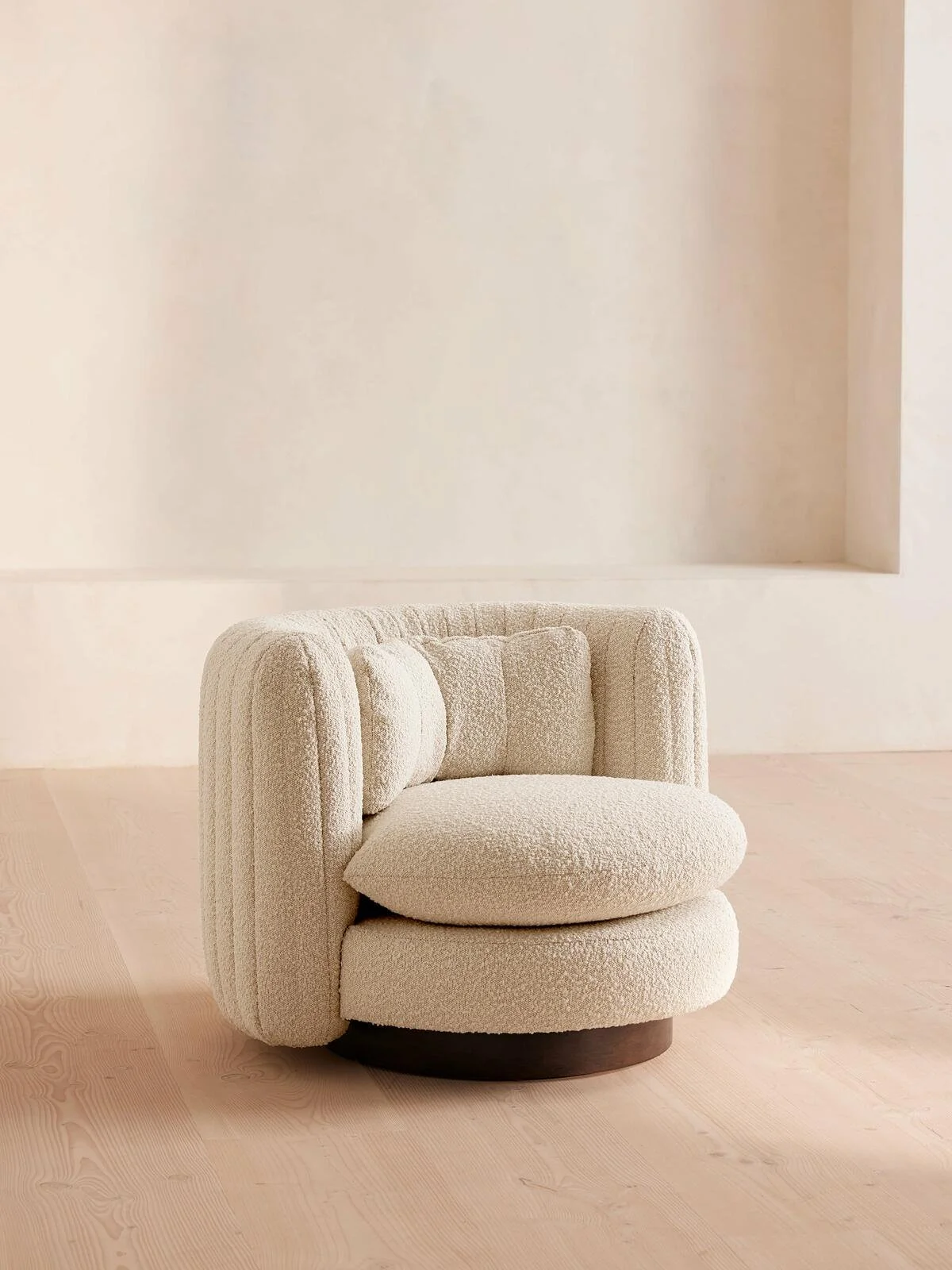
A place for you: create a little space for you to interact with your children. A reading corner nook with a comfortable accent armchair could do the work!
Need help designing your playroom?
Get in touch with us today!