Wabi Sabi : The Beauty of Imperfection
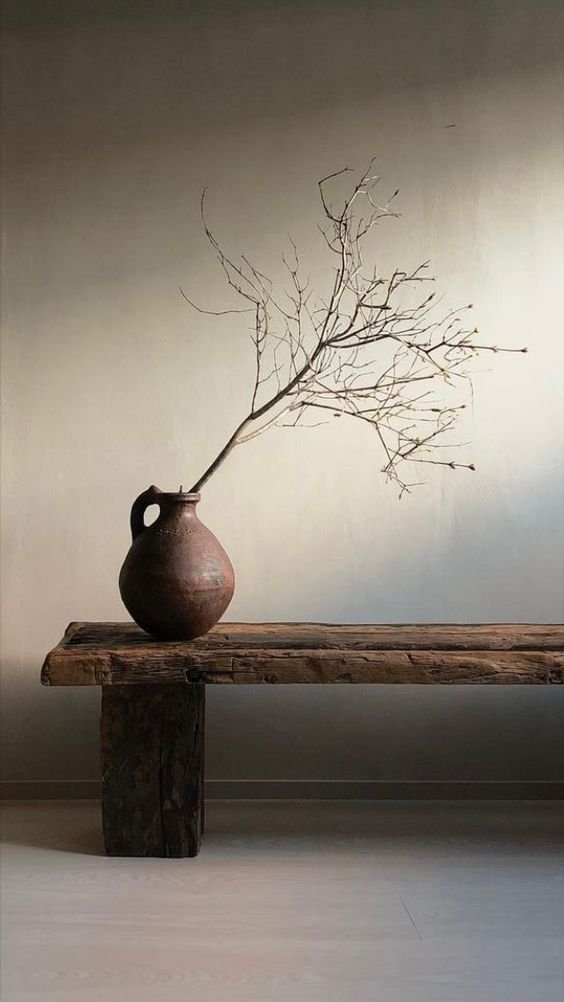
When society feels a need for safety and certainty about the future, and experiences a sense of disconnection from others, it often seeks to reconnect with the deep roots of humanity by turning to the natural world. This desire to engage with nature stems from an inherent longing to find solace, stability, and a sense of belonging that modern life sometimes lacks. By immersing ourselves in natural environments, we can rediscover a primal connection that fosters peace, well-being, and a renewed sense of community.
Nature is beautifully imperfect in its perfection and within its small flaws, we find reassurance and comfort. The Japanese aesthetic philosophy of Wabi-sabi truly celebrates the beauty of imperfection, impermanence, and the natural world. Wabi-sabi is deeply rooted in Zen Buddhism, offering a perspective that finds elegance in simplicity and authenticity. Originating from sixteenth-century tea ceremonies, it still retains the ritualistic and sacred essence of those practices. "Wabi" refers to living with humility and simplicity, in harmony with nature, while "sabi" is the acceptance of the natural life cycle of everything as it is.
In many ways, I believe this stands in stark contrast to what we encounter daily, where perfection and a polished, glamorous facade are celebrated as the highest achievements of success. Everything is expected to be perfect, flawless, shiny, and immaculate. Yet, deep down, we all know that life is much more complex and different from this idealized portrayal.
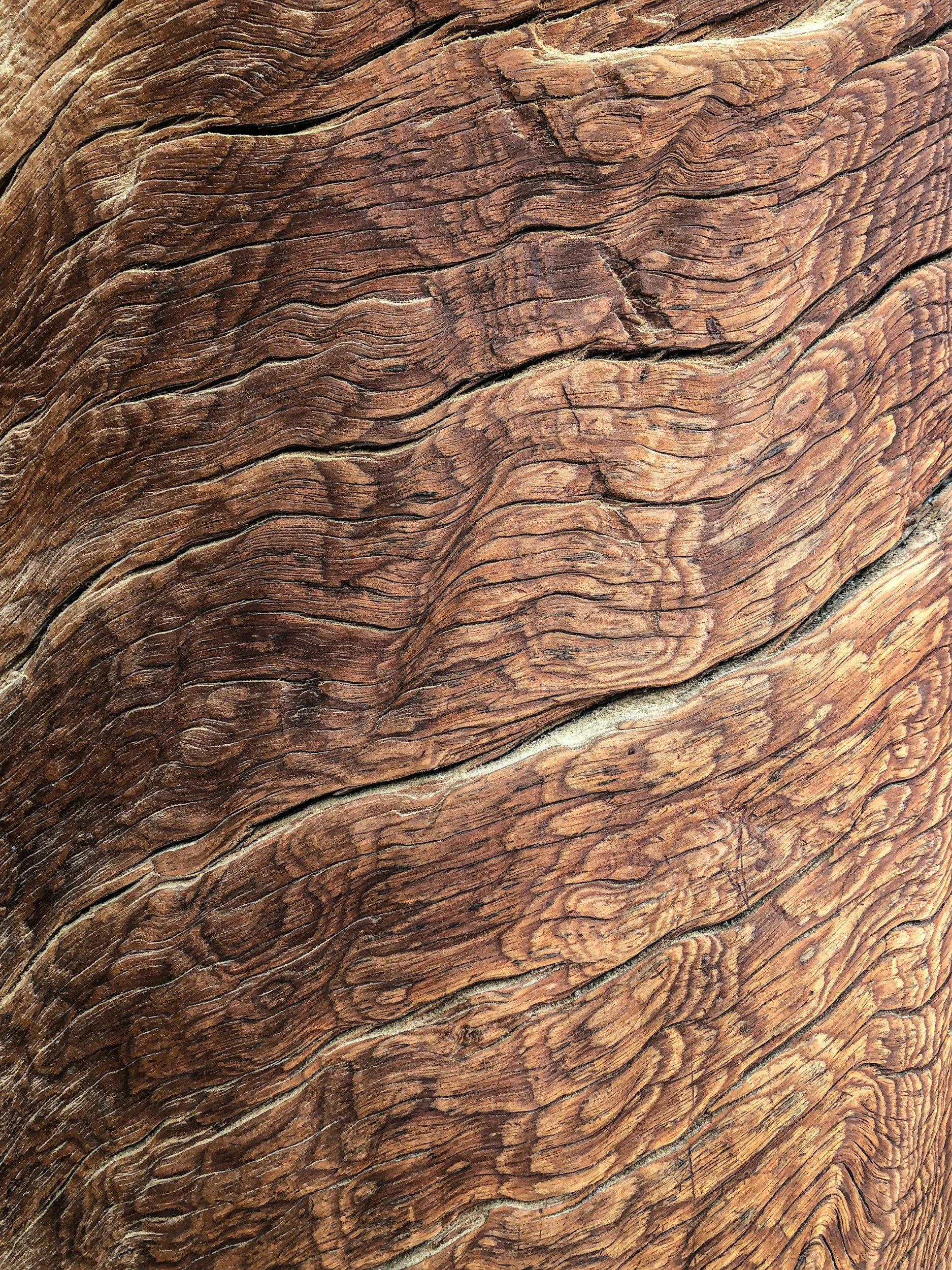
Imperfection: is one of the principles that Wabi-Sabi embraces.
Flaws and imperfections are a natural and integral part of life. It’s important to recognize and cherish the uniqueness character that imperfections bring to both objects and surroundings.
Unlike Western ideals of symmetry and perfection, wabi-sabi finds beauty in asymmetry and irregularity, achieving a harmonious balance through organic, uneven, and spontaneous forms.
Impermanence: At the heart of wabi-sabi lies the embrace of the impermanent essence of all things. This includes the aging process, the cycle of growth and decay, and the inevitable passage of time. Wabi-sabi imparts the wisdom to treasure fleeting moments and the perpetual evolution of existence. It reveres imperfection, simplicity, and the innate rhythm of life.
Here are some ways to incorporate WABI-SABI in Interior Design:
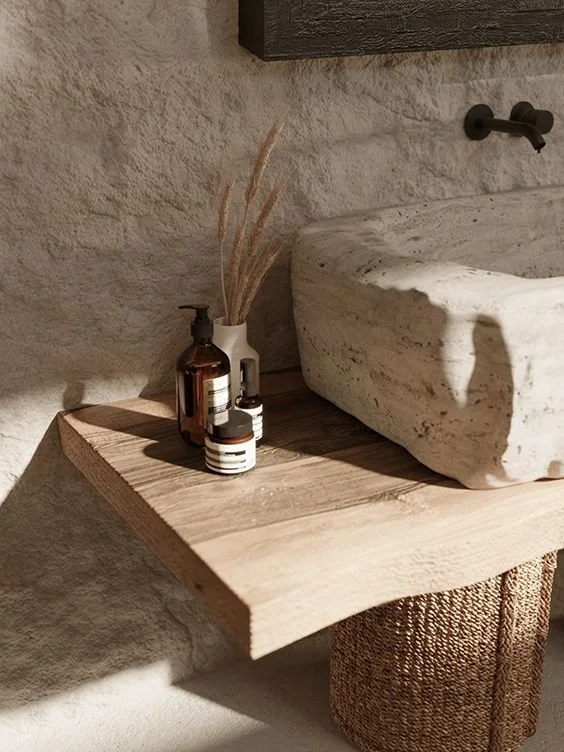
• Simplicity: Wabi-sabi values simplicity and minimalism. It encourages the removal of excess and the focus on what is essential, so keep the design simple and uncluttered. Opt for clean lines and minimal decor to create a sense of calm and tranquility. Avoid overdecorating and instead focus on essential elements that evoke a serene atmosphere.
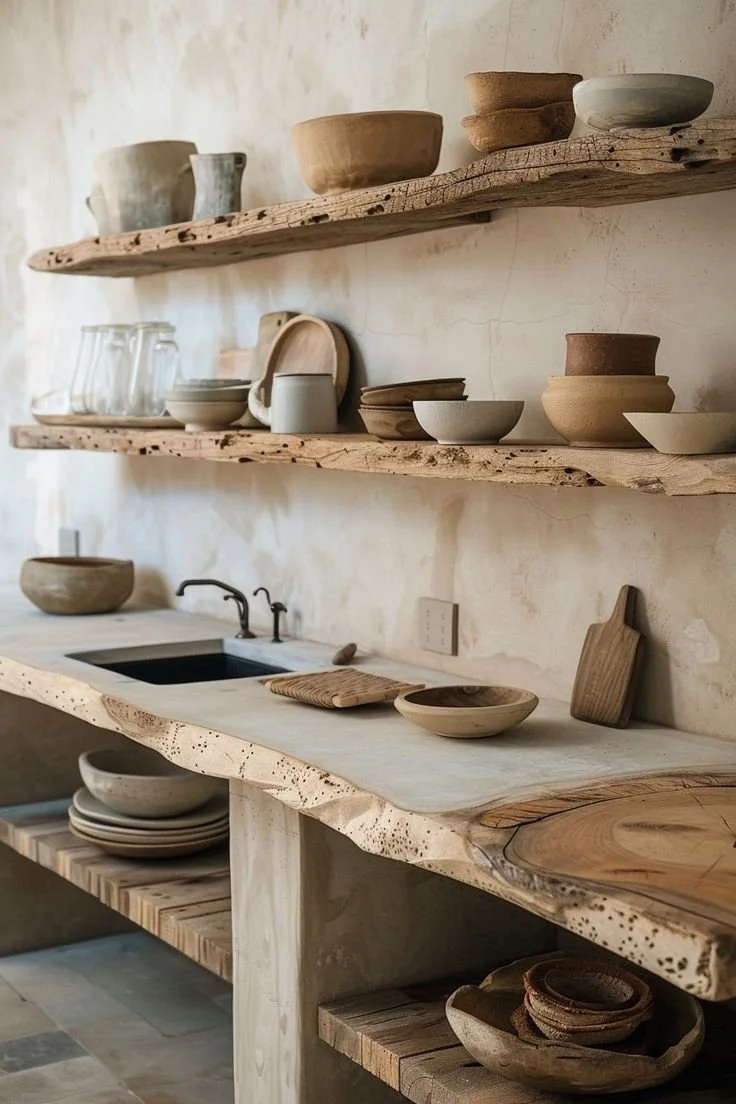
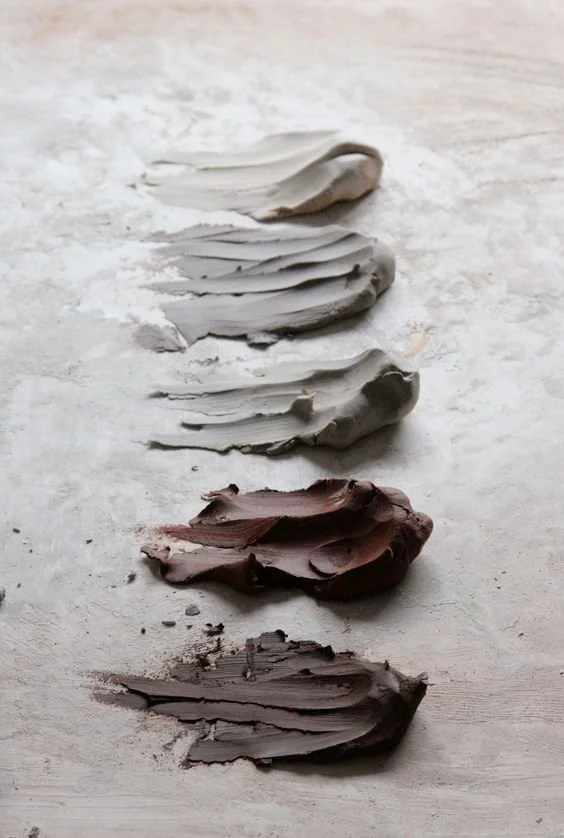
• Natural Materials: The use of natural materials is fundamental to wabi-sabi. Preferred for their inherent qualities and graceful aging, materials such as wood, stone, clay, and paper hold significance. Embrace these materials for their natural textures, grains, and imperfections, highlighting their authenticity and raw beauty rather than masking or modifying them. Objects displaying signs of age and wear, celebrate their imperfections and the stories they carry.
• Wabi-Sabi Colours: Choose earthy, muted tones inspired by nature, such as soft greens, warm browns, and subtle grays. These colours create a sense of harmony and connection with the natural world, enhancing the wabi-sabi aesthetic.
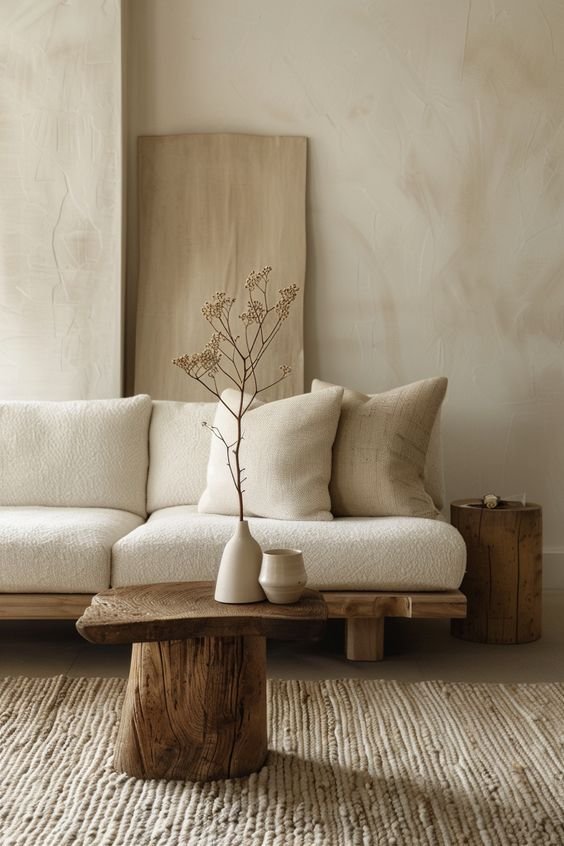
•Mindful Design: Approach design decisions with mindfulness and intentionality, considering the emotional impact of each element on the overall atmosphere of the space. Prioritize comfort, warmth, and a sense of well-being in the design process.
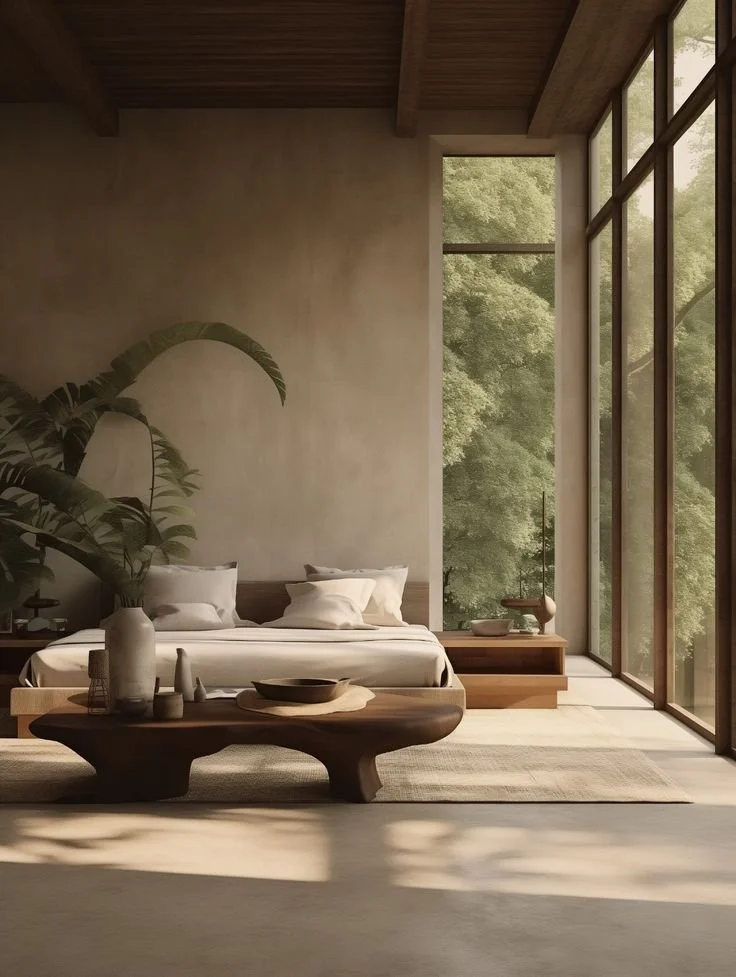
• Connection to Nature: A strong connection to the natural world is fundamental to wabi-sabi. This includes the incorporation of natural elements into living spaces, as well as a general mindfulness and appreciation for nature's cycles and rhythms. Create connections to the outdoors by introducing natural light, indoor plants, and views of nature whenever possible. Enhance the sense of harmony and balance between the interior and exterior environments.
Have a Wabi-Sabi design project in mind? Let's connect!
Contact us today to discuss how we can infuse the beauty of imperfection and authenticity into your space.