About colours
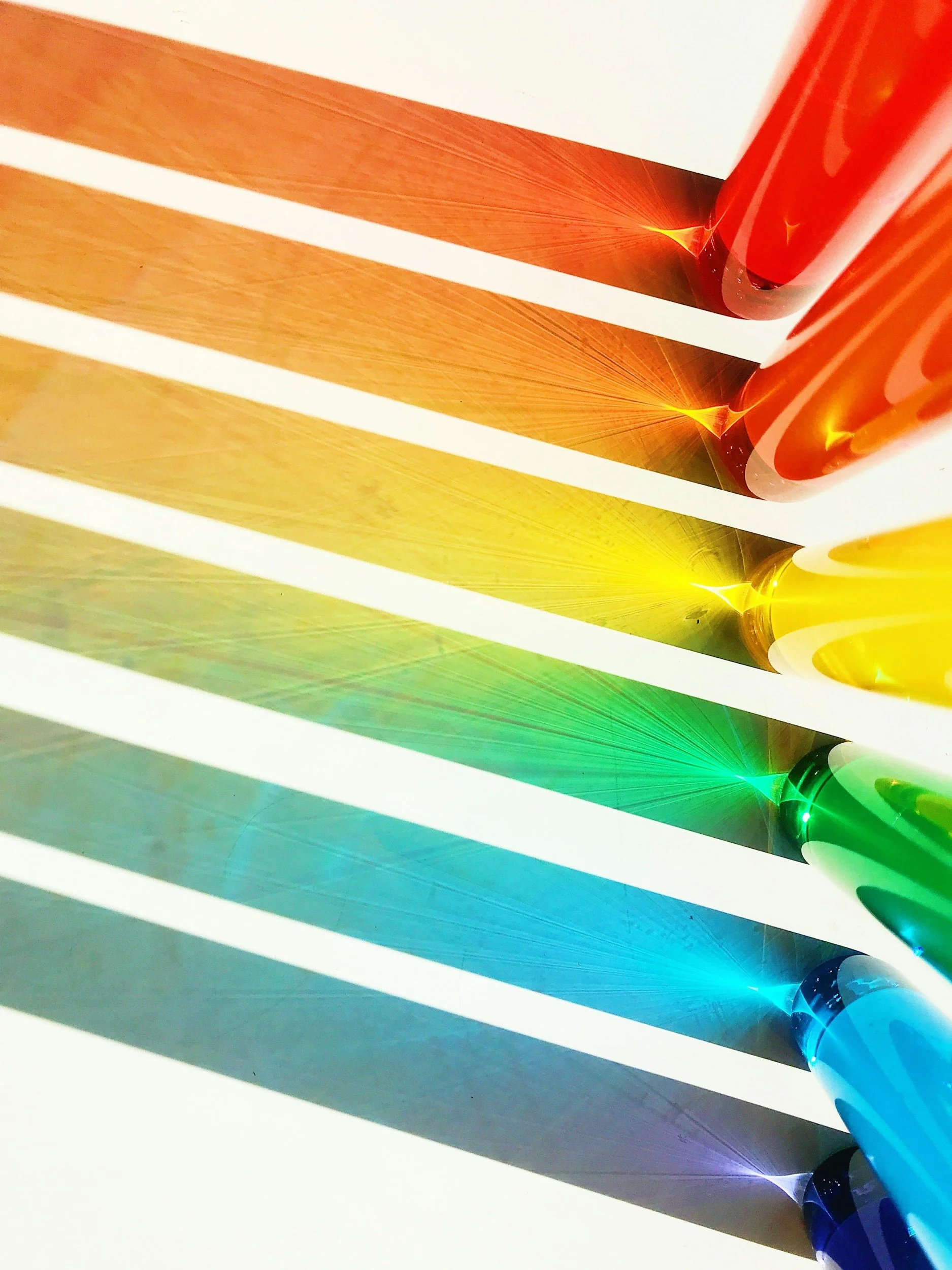
Understanding what colour is and how we relate to it daily is key to learning how to use and apply it when designing an interior.
Colour is a fundamental aspect of human perception and experience, influencing everything from art and design to mood and behaviour.
The Science of Colour
Scientifically colour is the result of light interacting with our eyes and brain, producing a wide spectrum of visual sensations. We could simply affirm that colour is light. The colours we see are wavelengths of light that travel from the sun to our eyes. Each colour has its unique wavelength and frequency, meaning different colours are simply different wavelengths of light arriving at varying rates.
Perception of Colour
The perception of colour begins when light enters the eye and hits the retina, which contains two types of photoreceptor cells: rods and cones. Rods are responsible for vision in low light (night vision), while cones handle higher levels of light and colour vision. Cones come in three types, each sensitive to different wavelengths corresponding to red (long waves of light), green (in-between lengths) and blue light (shorter waves of light). The brain processes signals from these cones to produce the perception of a full spectrum of colours.
Colour does not stop at visual perception though; it also creates physiological changes, delivering an emotional experience. When light strikes the eye, it is converted into electrical impulses that pass through the part of the brain that processes emotions. Different wavelengths of light can trigger different feelings. Our responses to colour can be influenced by personal colour associations, cultural or symbolic meanings, and psychological effects.
Personal Interpretation and Choice
Our lives are filled with colour, shaping our emotions and social interactions. We describe, distinguish, and choose based on colour. Many of our daily decisions are based in fact on the colours of objects and their capacity to evoke joy or attraction. This is mainly a conscious association we have made between a particular hue, or tone of colour, and something personal to us or a colour associated with a specific memory. Similarly, certain colours might repel us or fail to captivate us due to similar associations.
Cultural Significance of Color
Different cultures attribute various meanings and symbolism to colours. A colour can mean one thing in one country and the exact opposite in another it. This is deeply rooted in a culture throughout generations and it is something we are exposed to from birth.
For example, while white symbolizes purity and peace in Western cultures it represents mourning in some Eastern cultures.
Psychological and Emotional Impact
When we see colour, we decipher the messages it sends on an unconscious level. Colour triggers different emotions and influences our behaviour and mood without us necessarily being aware of it. The label and the meaning each of us gives a colour can depend on our experience of it, the quality of the light shining when we see it, and how much we have been exposed to it. Consequently, every interpretation will be different between individuals. For some people, light blue-green or aqua tones can evoke feelings of calm and serenity. For me, however, they produce a sense of anxiety and worry due to specific memories from the past.
Colour in Interior Design
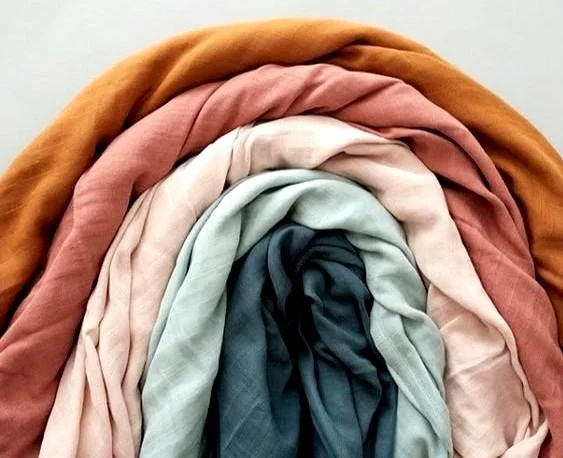
The colours we surround ourselves with in our living and work environments play a profound role in shaping our emotional well-being, mental health, and overall performance. Each hue has the power to evoke specific emotions and influence our mood and productivity levels. Understanding and harnessing this influence can lead to spaces that not only look beautiful but also support our holistic well-being.
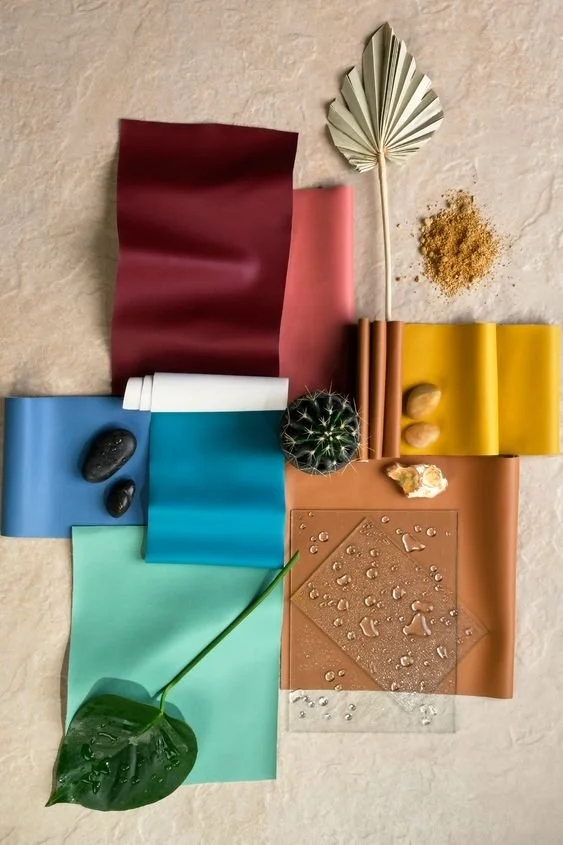
Just as each person is unique, so too are their preferences when it comes to colour. Recognizing and understanding an individual's preferred colour palette is essential in creating spaces that resonate with their personality and allow them to express themselves fully. Whether it is serene neutrals, vibrant accents, or a harmonious blend of tones, the right colour scheme can transform a space into a personal sanctuary or an inspiring workplace.
Selecting the right colours goes beyond simply choosing what looks aesthetically pleasing or following only the latest trends. It involves identifying shades that authentically align with one's identity and values. By surrounding ourselves with colours that reflect who we are, we create environments that feel genuine and empowering.
That's why I believe that trends are important for understanding how the society is changing and evolving but they can't necessary help when it comes to deciding your personal colour scheme;instead,they can provide more tools to express it.
Discovering your ideal colour palette is a journey of self-exploration and experimentation. It is about paying attention to how different colours make you feel and identifying which ones resonate most deeply with your essence. Whether you are drawn to the soothing hues of nature or the bold energy of primary colours, your unique palette is a reflection of your innermost self.
When living and workspaces are designed with consideration for individual colour preferences, the result is more than just visual appeal. It is an environment that supports emotional balance, mental clarity, and creative inspiration. By choosing colours that authentically align with one's identity, we create spaces that nurture and empower us to thrive.
The process of choosing the right colours for our living and workspaces is a deeply personal and transformative journey. It is about more than just aesthetics; it is about creating environments that honour who we are and support us in living our best lives.
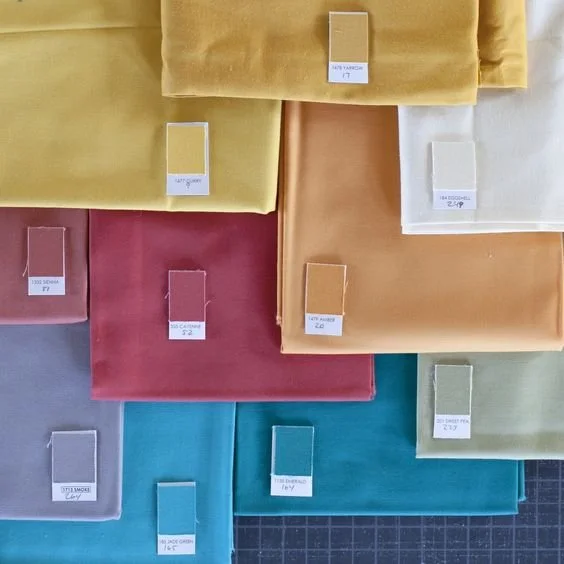
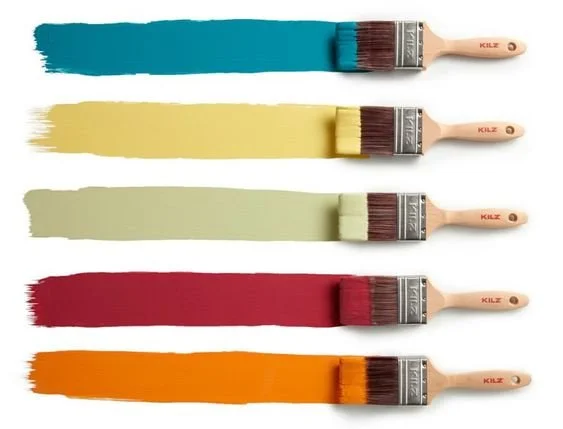
Need help with your room's color palette?
Contact us to bring the perfect hues into your home!