How to Incorporate Sustainable and Eco-Friendly Materials in Your Home
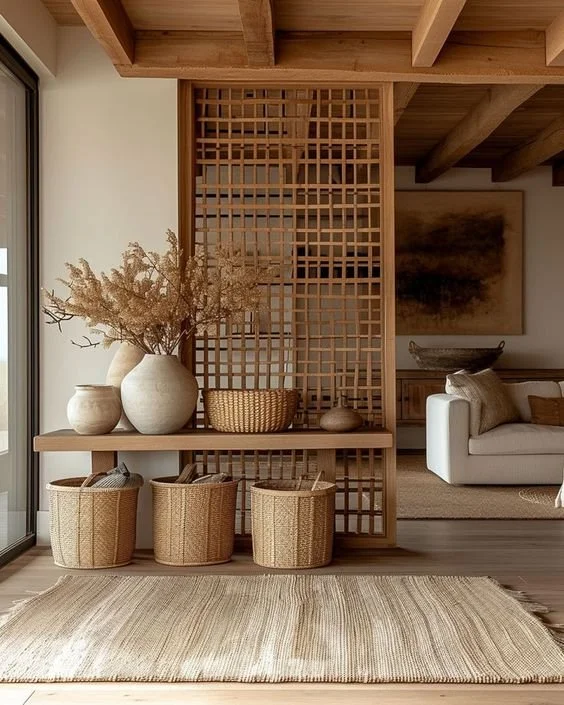
Learning how to incorporate sustainable and eco-friendly materials in your home can be very important to benefit the environment and also create a healthier living space. Eco-friendly choices reduce harmful chemicals, minimize waste, and promote the use of renewable resources, leading to a more sustainable lifestyle and a better future for the next generations. While these options might not always seem the most cost-effective in the short term, they are definitely the wiser choice in the long run.
Here are some tips and ideas to get you started on creating an eco-friendly home:
1. Bamboo flooring
Bamboo is a highly renewable resource that grows quickly and can be harvested without causing permanent damage to the ecosystem as it regrows from the same root system.
It does come in different types: 1. Solid Bamboo: Made entirely from bamboo strips, it can be sanded and refinished several times; 2. Engineered Bamboo: Consists of a bamboo layer on top of a plywood or fiberboard core. It offers better stability in humid environments;3. Strand Woven Bamboo: Created by compressing shredded bamboo fibers with adhesives under high pressure. This type is exceptionally strong and durable. The last one is one of the hardest flooring options available, often harder than many hardwoods.
Bamboo flooring is relatively easy to maintain and is resistant to dents and scratches.
In terms of style is really versatile, and comes in various colours, grains, and finishes, allowing you to find the right one for your design.
Overall, bamboo flooring is an adaptable and sustainable option that combines durability with environmental benefits, making it an excellent choice for modern homes. It provides a clean, modern look with natural variations and patterns that add character to any space.
2. Recycled Glass Countertops
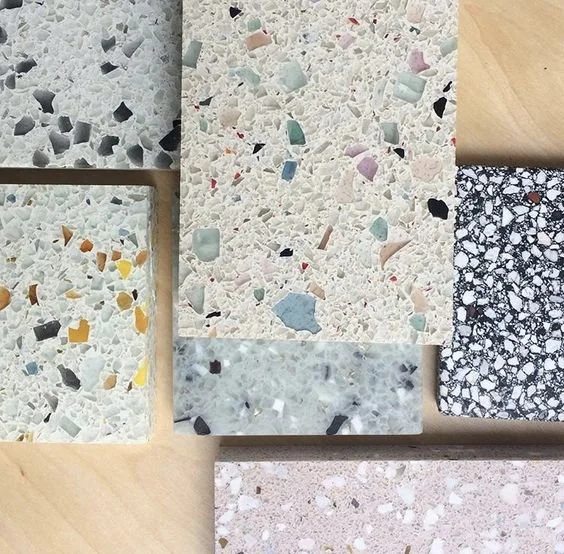
Recycled glass countertops are a stunning and sustainable choice. They are made from post-consumer glass combined with resin or cement, creating unique, colorful patterns that can brighten up your kitchen or bathroom.
In terms of style and colour options, it is available in a wide range of colours and textures, from subtle neutrals to vibrant hues, depending on the glass used. its size, shape, and colours can be customized to create unique patterns and designs.
Recycled Glass Countertops can add a modern and sophisticated look to the room, with the glass fragments creating a distinctive appearance.
3. Reclaimed Wood
Reclaimed wood has become a popular choice for furniture, flooring, and decorative elements in interior design, valued for both its sustainability and unique aesthetic. Using reclaimed wood for flooring, furniture, or accent walls gives a second life to materials that might otherwise end up in a landfill. Each piece of reclaimed wood has its own history and character, adding warmth and uniqueness to your home.
4. Natural Fiber Rugs
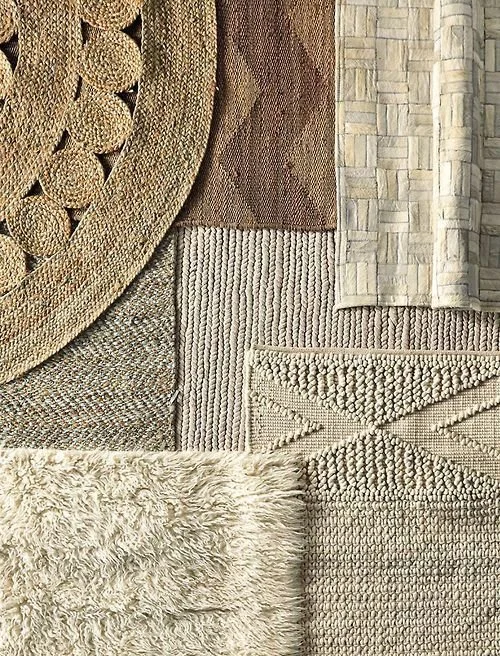
Opt for rugs made from natural fibers such as jute, sisal, or wool. These materials are biodegradable, renewable, and often produced using fewer chemicals compared to synthetic options.Natural fiber rugs are prized for their sustainability, durability, and natural beauty, making them a popular choice among homeowners seeking eco-friendly and stylish flooring options. Whether you prefer the softness of jute, the toughness of sisal, the smoothness of seagrass, or the durability of coir, natural fiber rugs offer versatile solutions that enhance the ambiance of any living space while aligning with sustainable living principles.
5. Low VOC Paints
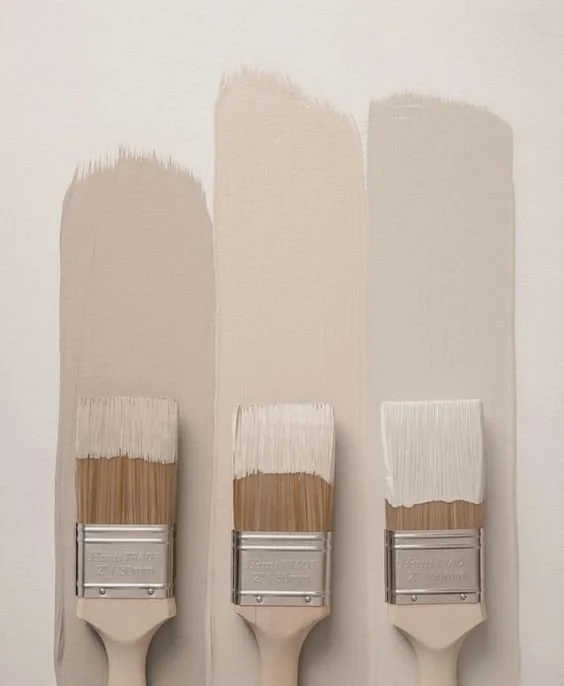
Traditional paints can release volatile organic compounds (VOCs) into the air, which are harmful to both your health and the environment. Choose low or zero VOC paints to reduce indoor air pollution and create a healthier home environment.
There are companies that prioritize environmental sustainability and indoor air quality by offering paints with reduced VOC emissions, making them suitable choices for eco-conscious consumers looking to improve their living spaces responsibly. Some of my favourites are Little Greene, Farrow&Ball, and Earthborn, they have wonderful colours selections too!
6. Recycled and Sustainable Furniture
Choose furniture made from recycled materials or sustainable sources. Many designers and manufacturers now offer stylish, eco-friendly furniture that doesn’t compromise on aesthetics or functionality. This means you can find a wide array of beautifully crafted furniture pieces that not only enhance your home decor but also align with your values of sustainability. By opting for recycled and sustainable furniture, you can contribute to environmental conservation efforts while enjoying unique, quality pieces that enhance your living spaces.
Also another option before considering recycling your own furniture, it's worth exploring whether it can be upcycled or repurposed. Upcycling involves transforming existing furniture into something new and functional, thereby extending its lifecycle and minimizing waste. This approach not only saves money but also allows you to unleash your creativity and personalize your living space with unique, one-of-a-kind pieces.
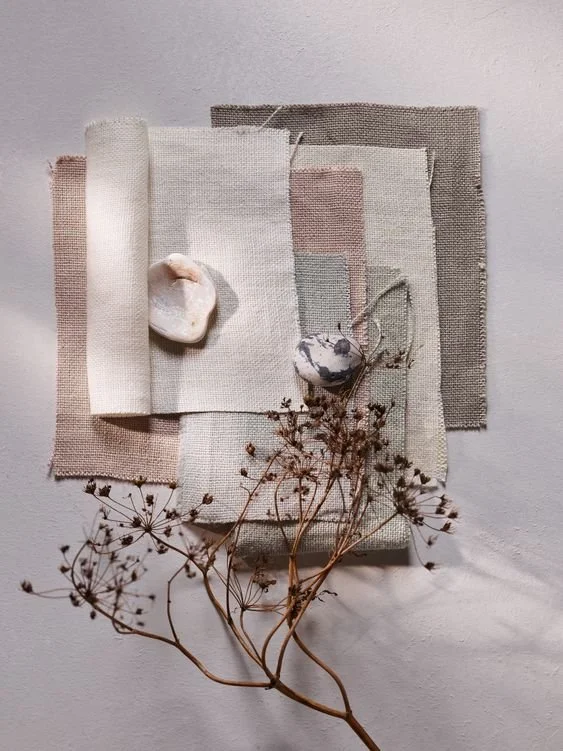
7. Eco-Friendly Textiles
Eco-friendly textiles are increasingly sought after for their sustainable production methods and minimal environmental impact. Select bedding, curtains, and upholstery made from organic cotton, hemp, linen, or bamboo. These materials are grown without harmful pesticides and are often processed using environmentally friendly methods. By choosing these textiles, you contribute to a more sustainable textile industry and promote a healthier planet for future generations.
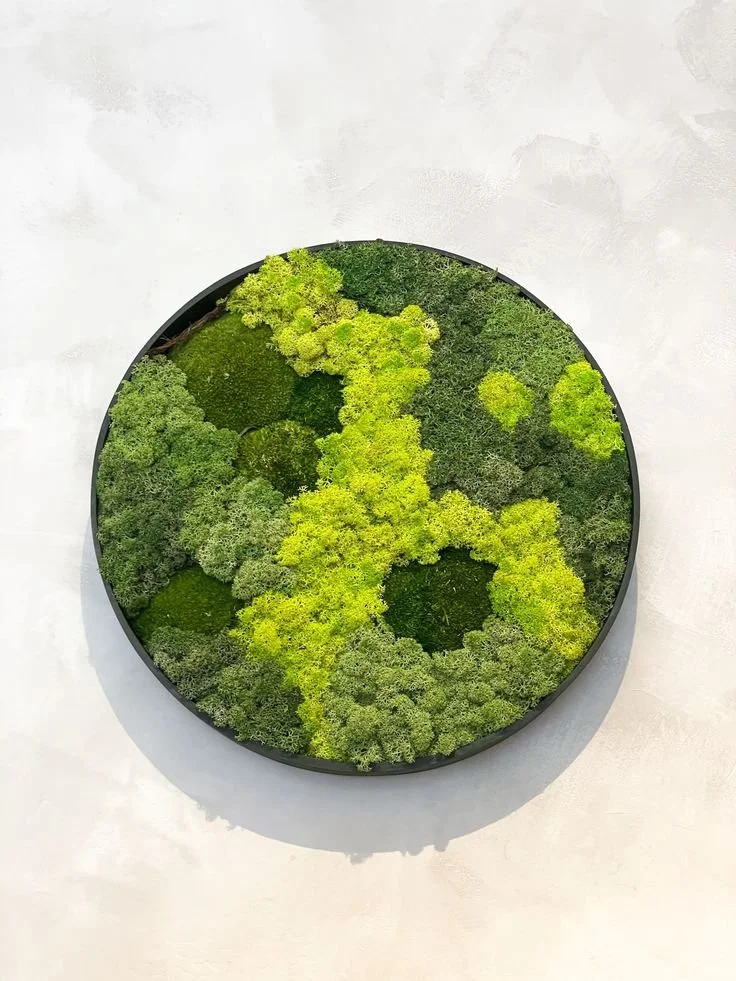
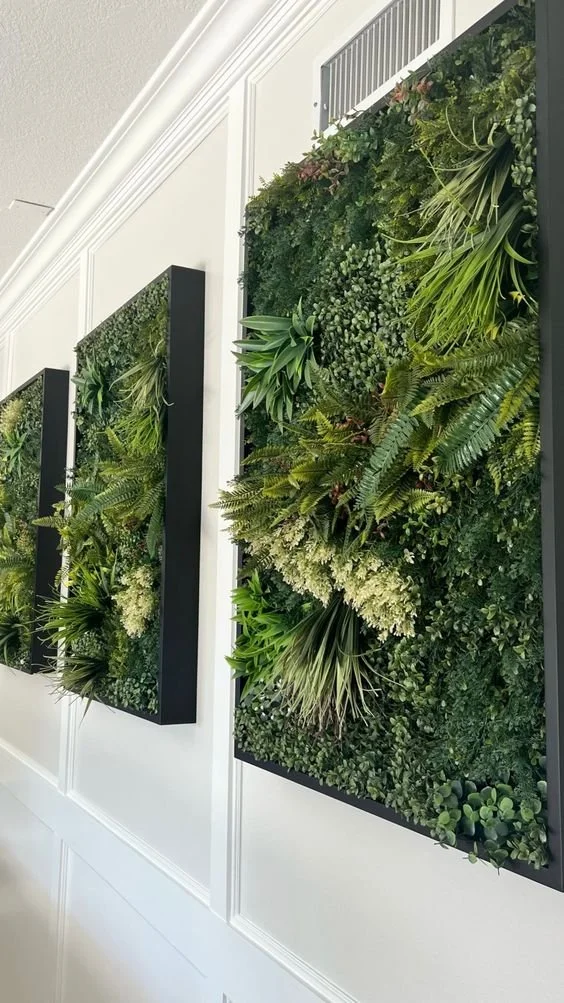
8. Living Walls and Indoor Plants
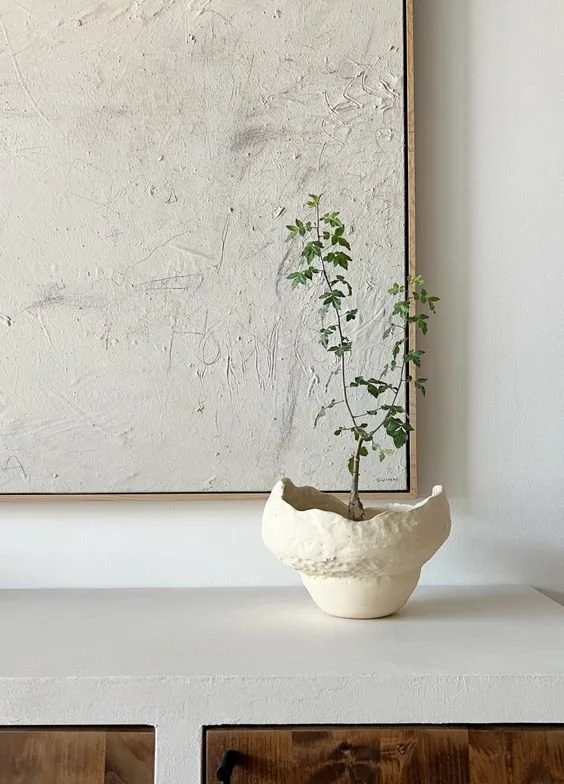
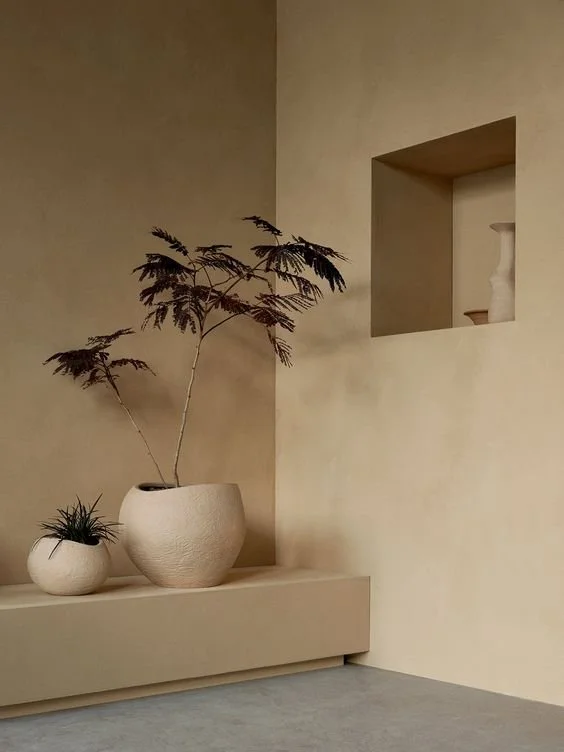
Introduce living walls or indoor plants to improve air quality and add a touch of nature to your home. Plants can absorb toxins, increase humidity, and provide a sense of tranquility. Incorporating living walls and indoor plants into interior spaces not only enhances aesthetics but also promotes health and well-being through improved air quality, stress reduction, and biophilic design principles.
Whether through a green wall installation or strategically placed indoor plants, these elements contribute to creating vibrant, sustainable, and inviting indoor environments. And if you are scared of your not-so-green thumb there is a plant for everyone!
Choosing sustainable and eco-friendly materials for your home is a fulfilling journey that benefits both you and the planet. With thoughtful decisions, you can create stunning and healthy spaces that mirror your dedication to sustainability. Whether you start with small changes or undertake a significant renovation, each effort toward eco-conscious design contributes positively.
Need help with your home renovation?
Get in touch with us!