Beyond the Beautiful Object
PAD London — a reflection on craftsmanship, materiality and the unexpected.
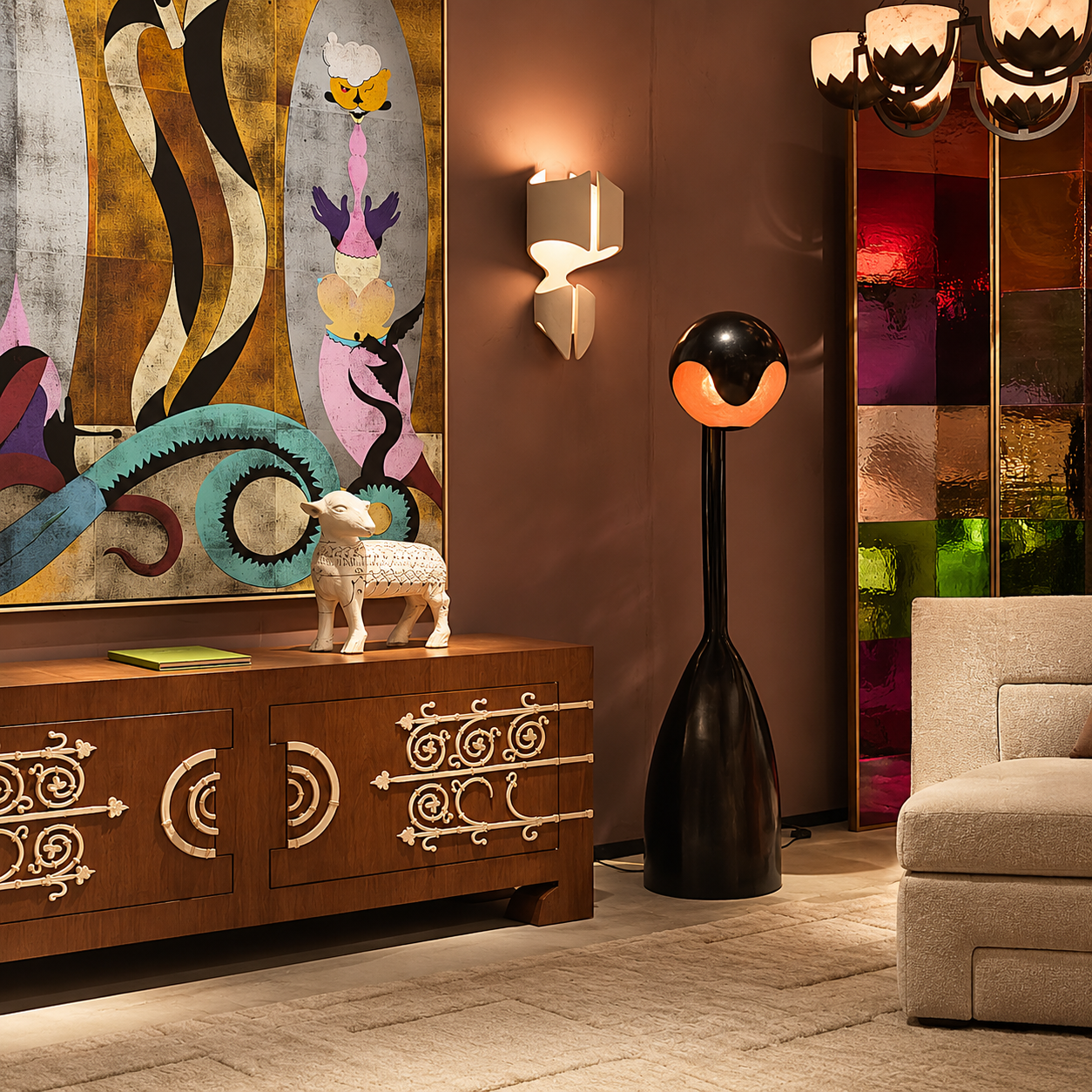
I have to admit that, despite several years of experience as an interior designer, this was my first visit to PAD London.
Partly, it was a question of time. Working in interior design can be all-consuming, and opportunities to step away from projects and explore the wider design world are not always easy to find. I have also experienced working environments where the value of attending exhibitions and design events was not always fully recognised.
This year, however, I find myself in a position to make more conscious choices about how I spend my time — balancing work, family and, just as importantly, time for myself. I wanted to make room for something that had been quietly ( or maybe not so quietly) asking for my attention: my own creative spirit, and the desire to nourish it.
So I decided to visit PAD London.
Perhaps because it was my first time, I wanted to approach the fair with an open mind. I deliberately avoided looking at too much of the coverage on social media beforehand. I wanted to experience it for myself, without too many expectations or preconceived ideas, and to preserve that precious element of surprise.
What I was looking for was not necessarily something specific to bring back into a project, but an opportunity to pause, observe and reconnect with the things that inspire me.
A celebration of craftsmanship and materiality
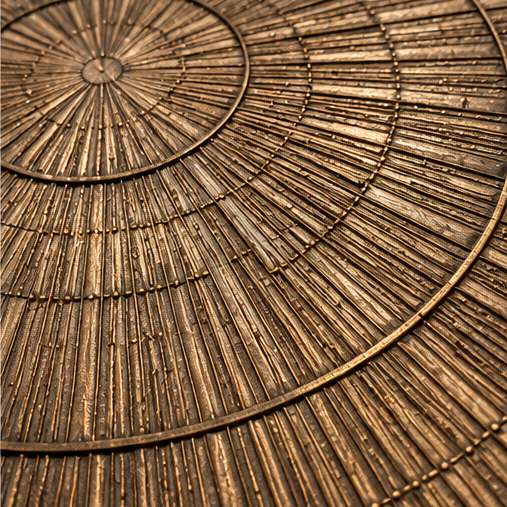
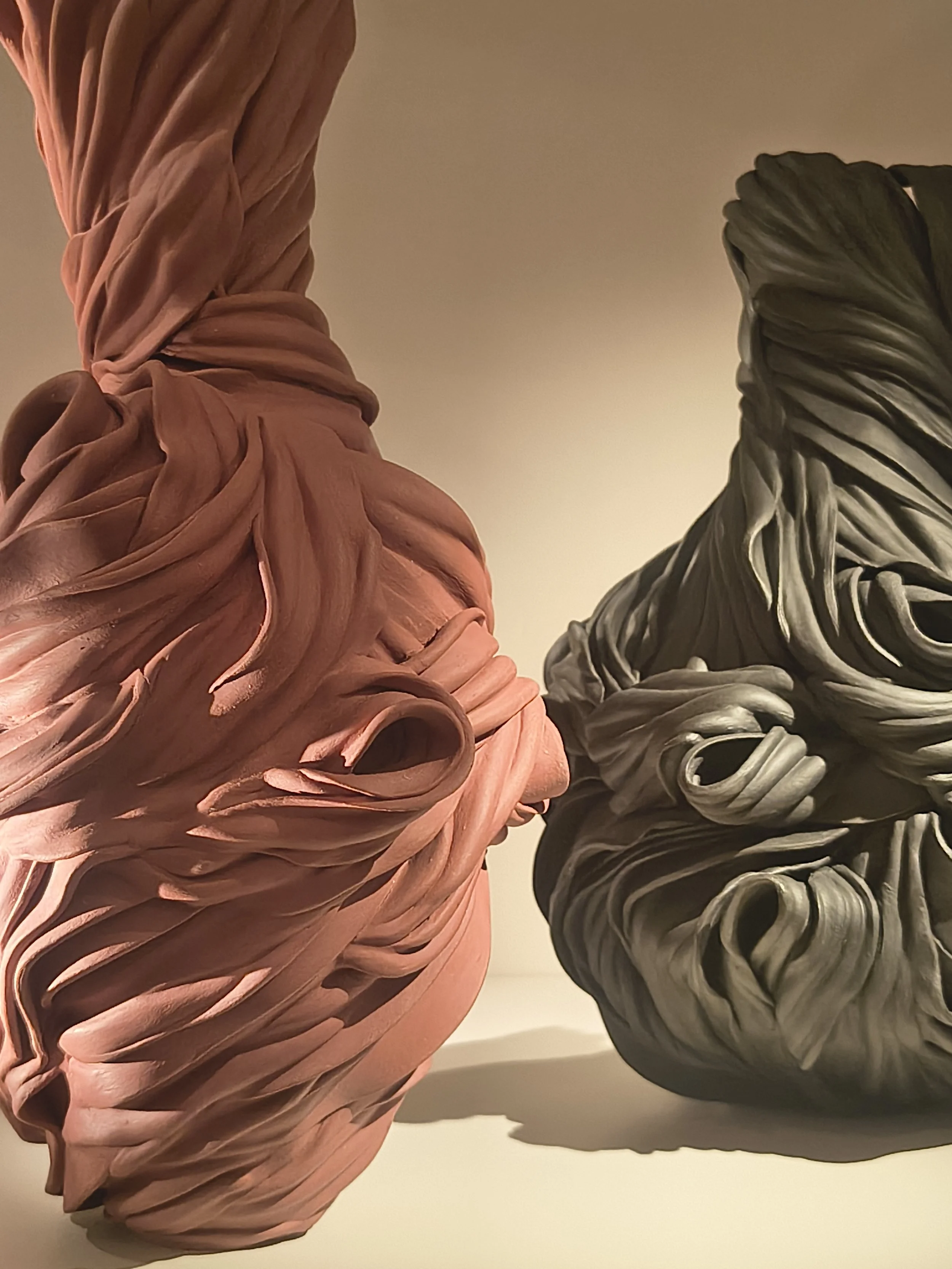
What struck me most at PAD was the sense of a return to materials — not simply as finishes or decorative elements, but as the starting point for creative expression.
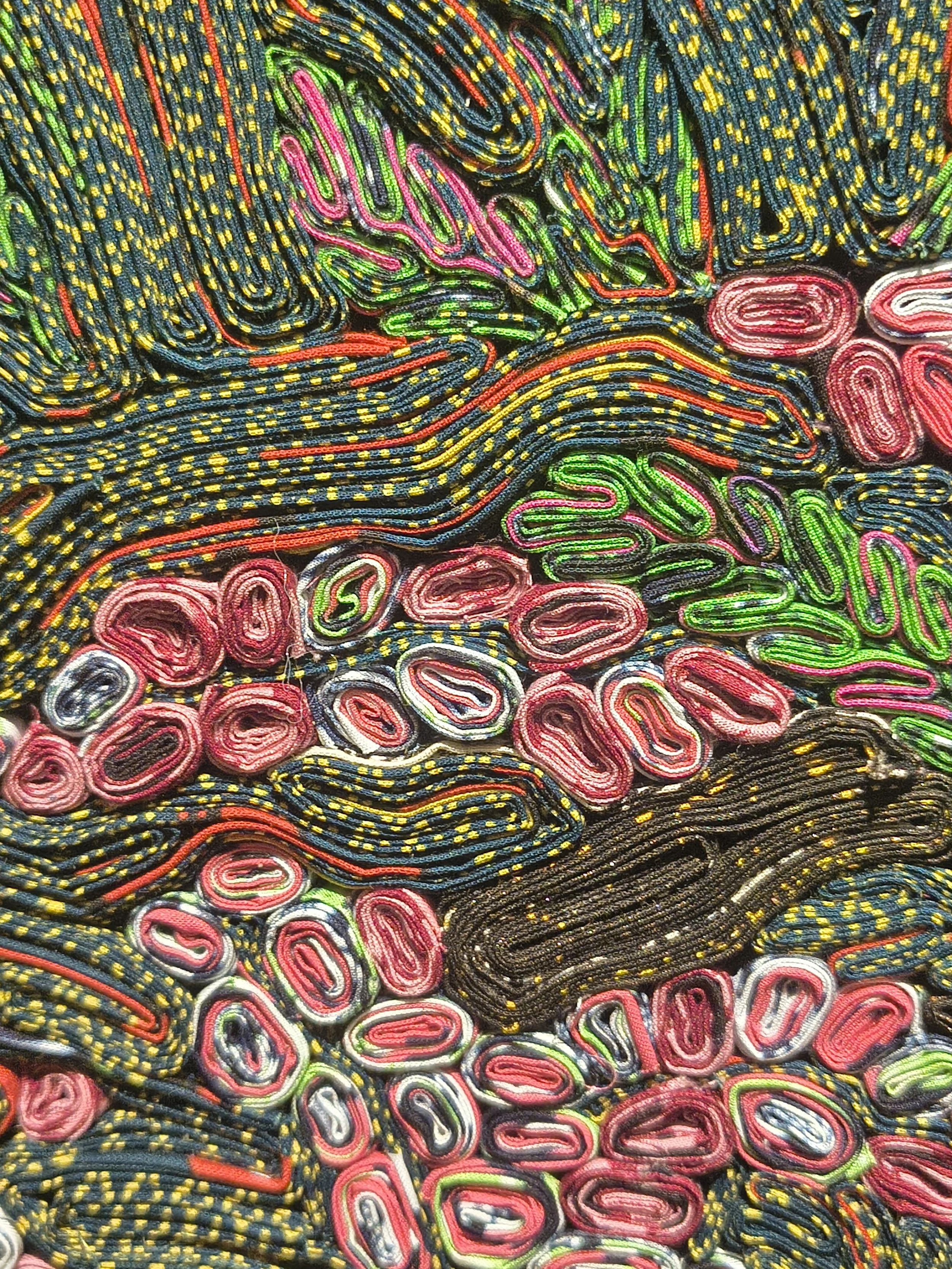
Craftsmanship, originality and the beauty of the material itself seemed to take centre stage. Textures, details and colours felt deeply connected to nature and the earth, suggesting a desire to reconnect with something more tangible and instinctive.
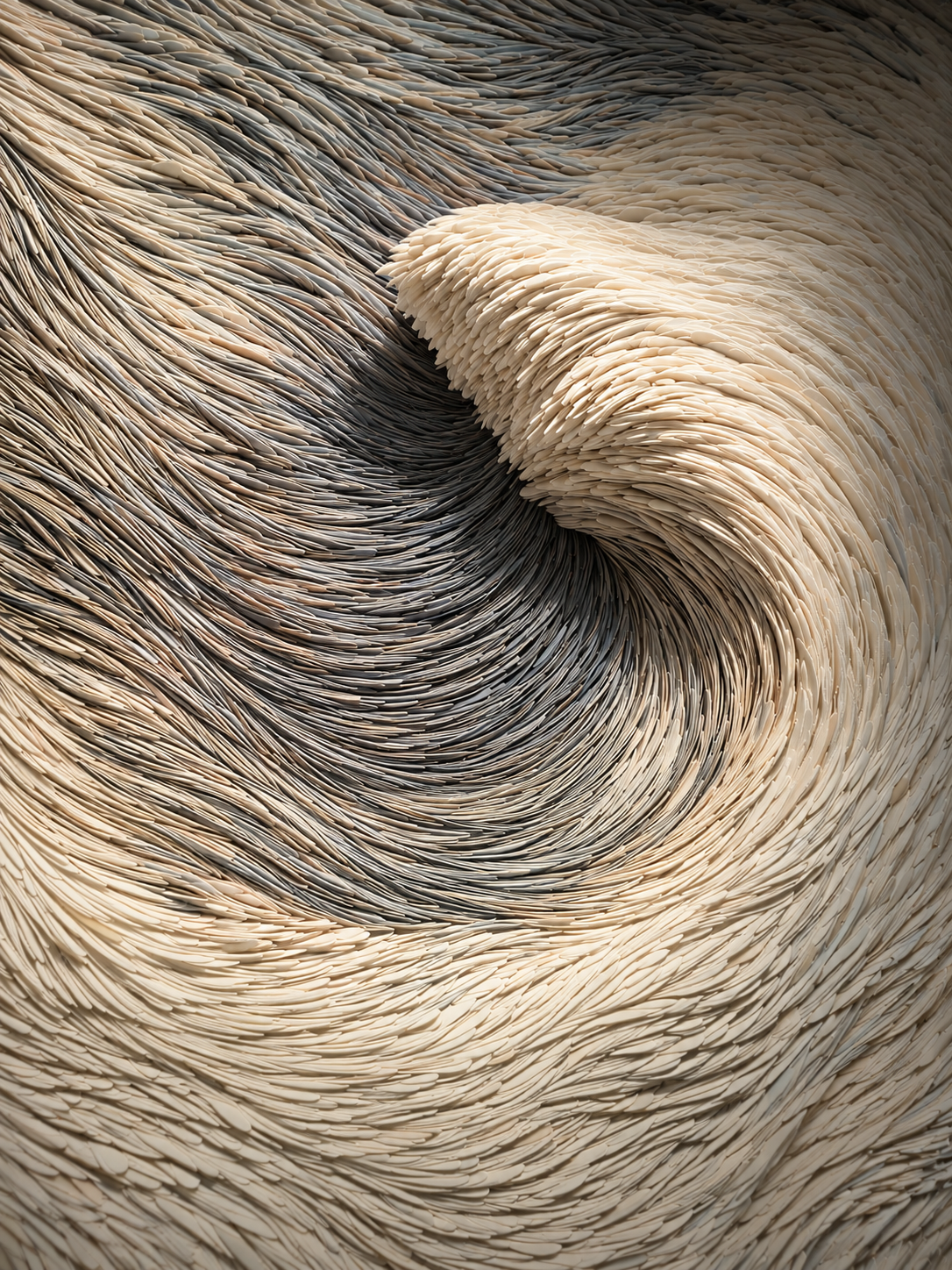
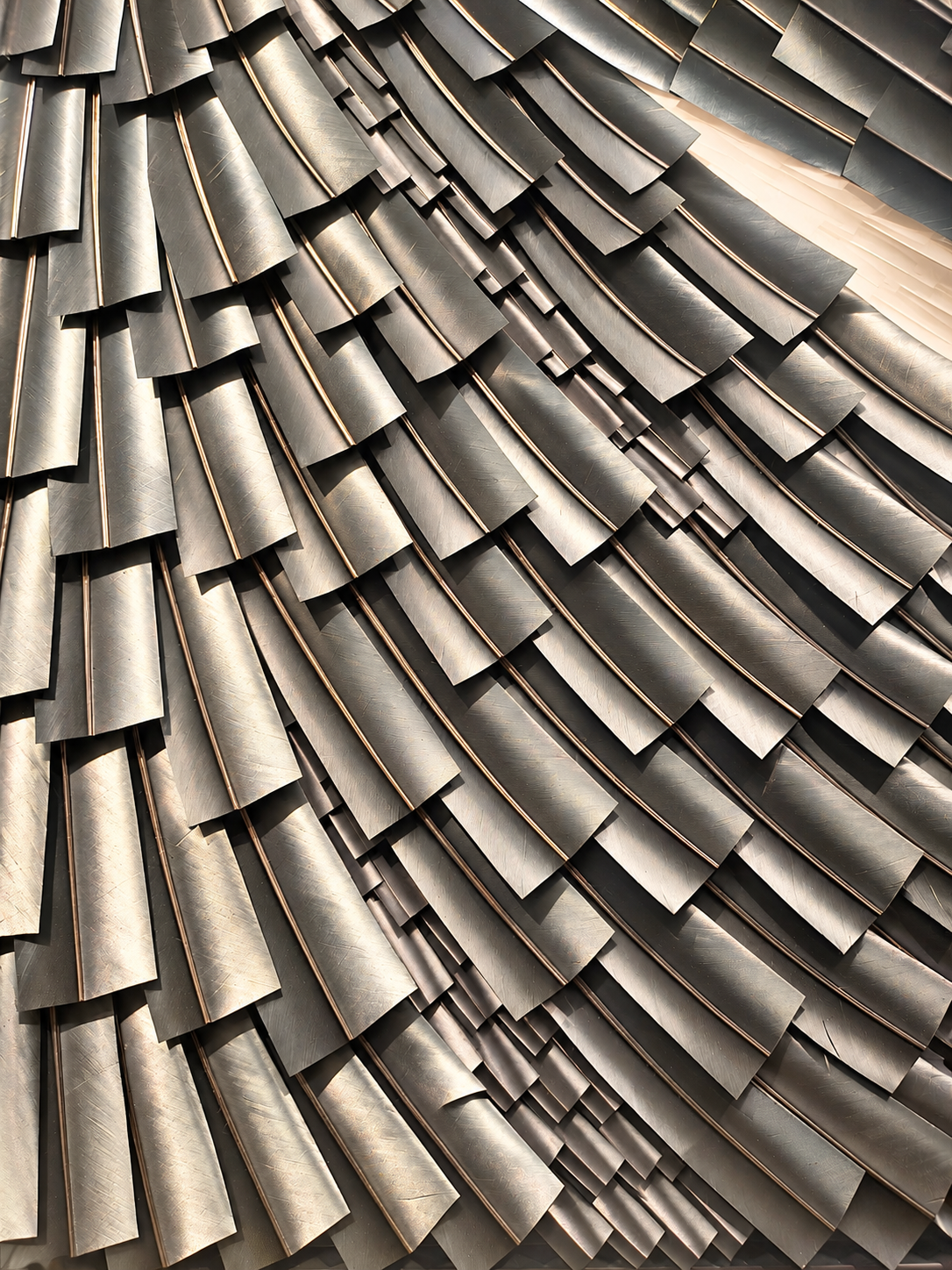
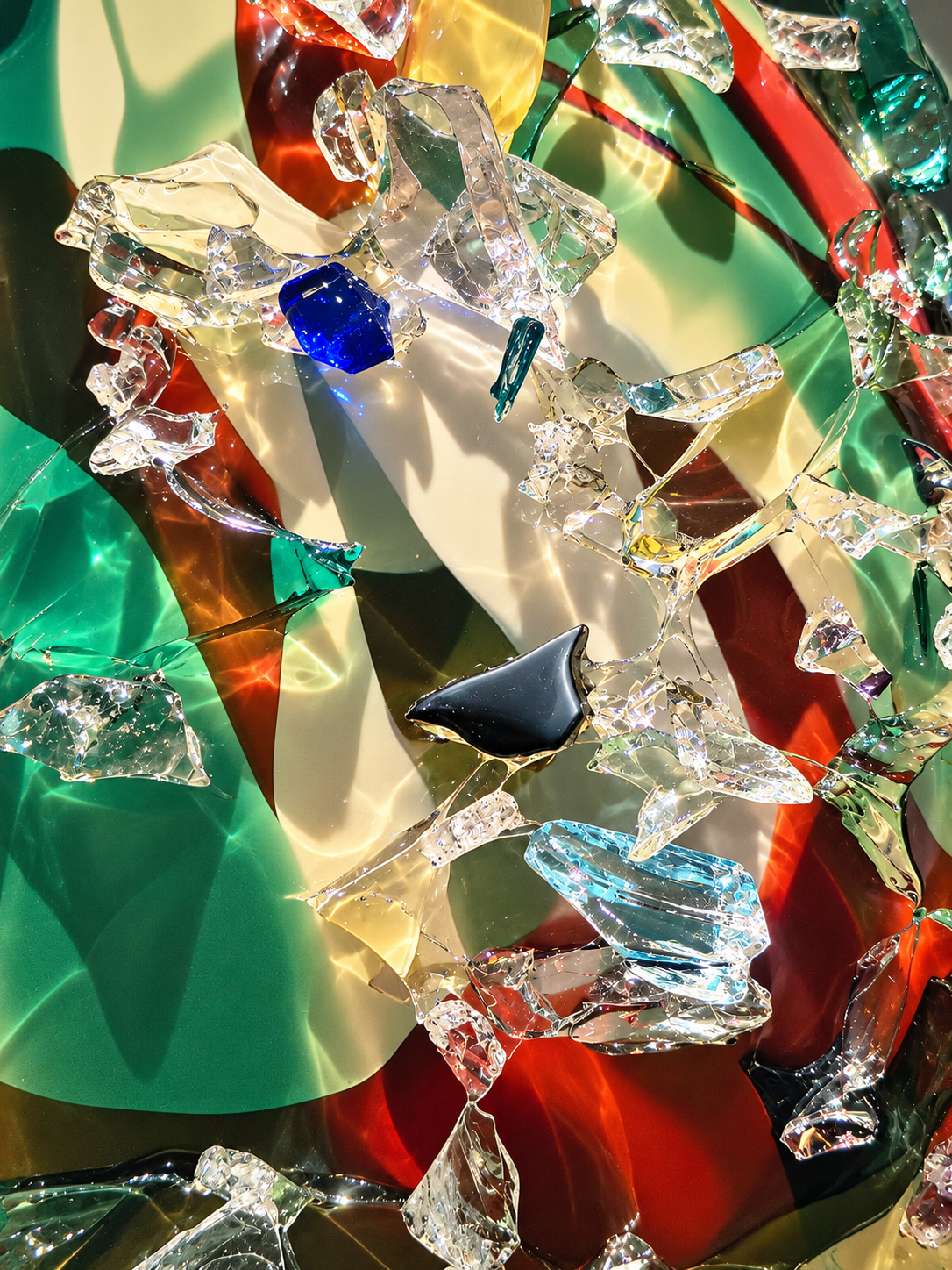
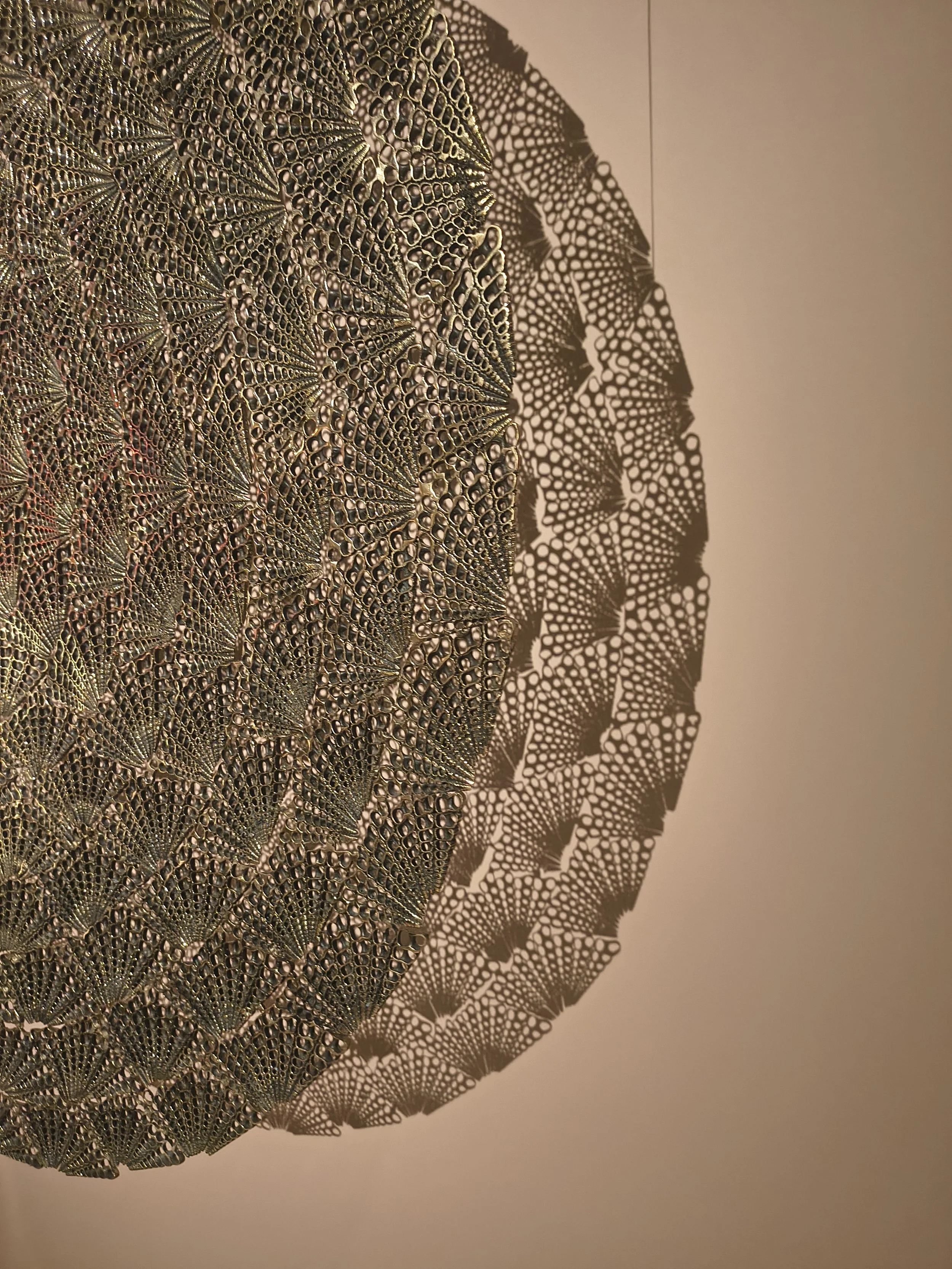
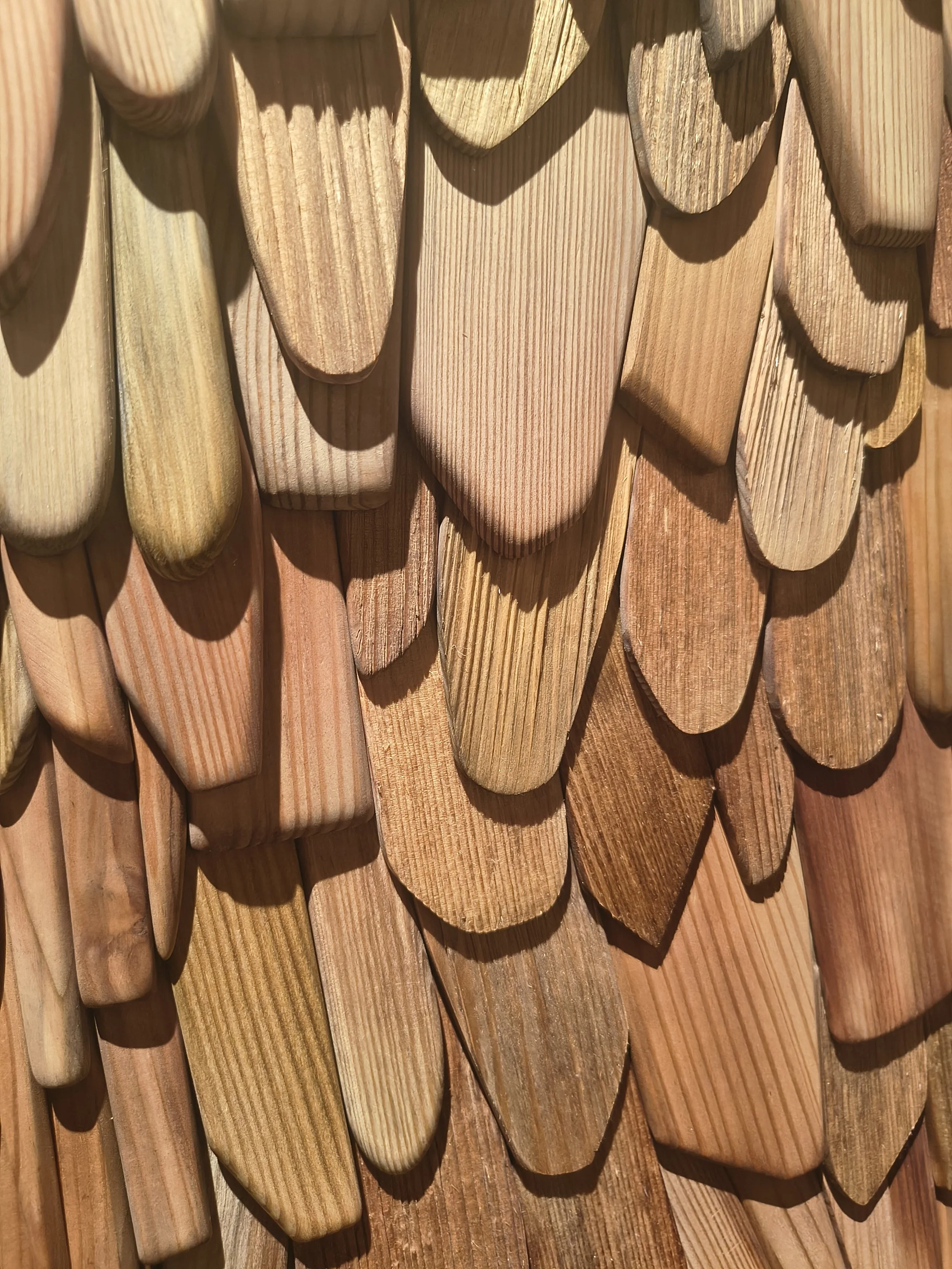
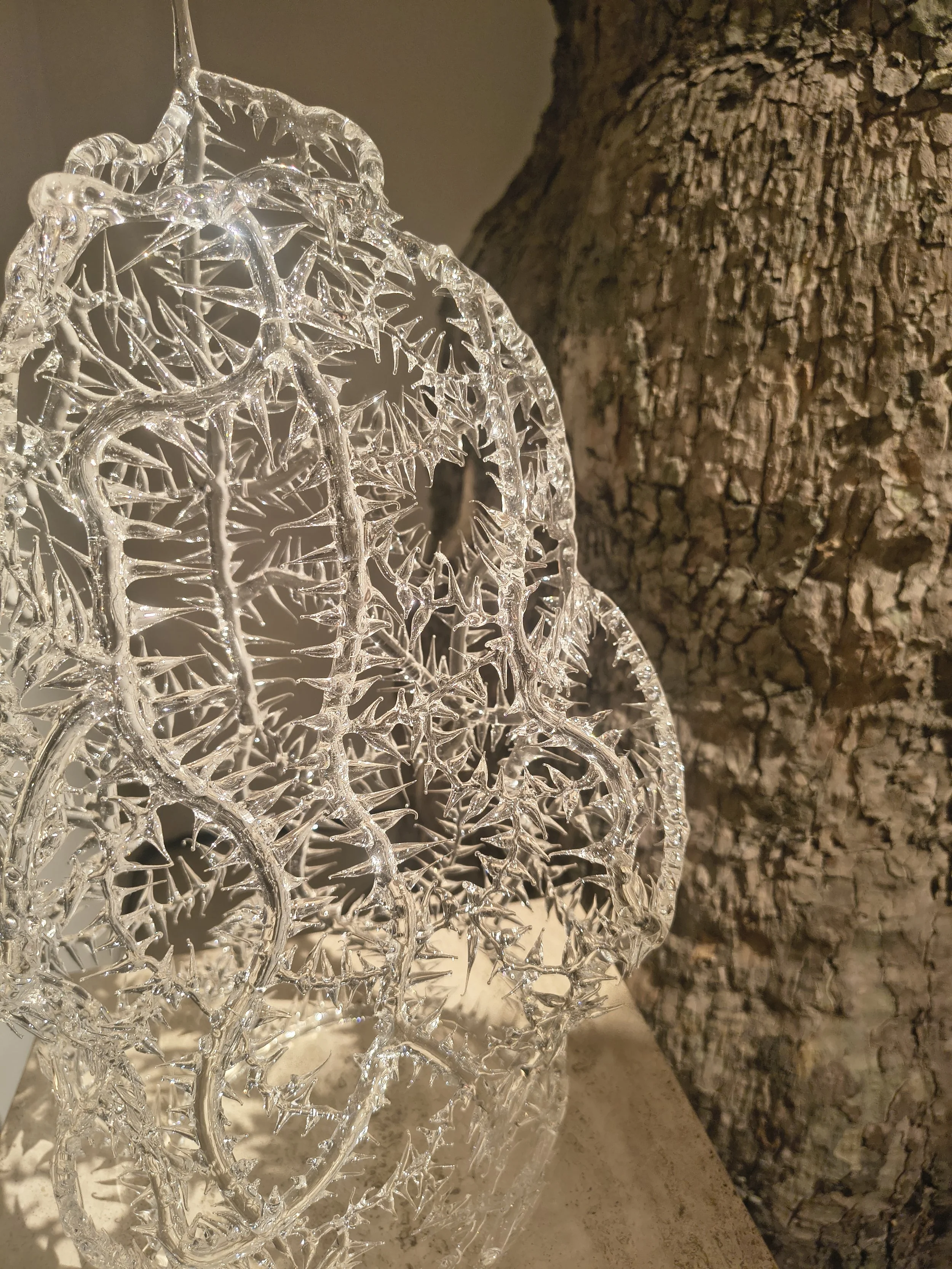
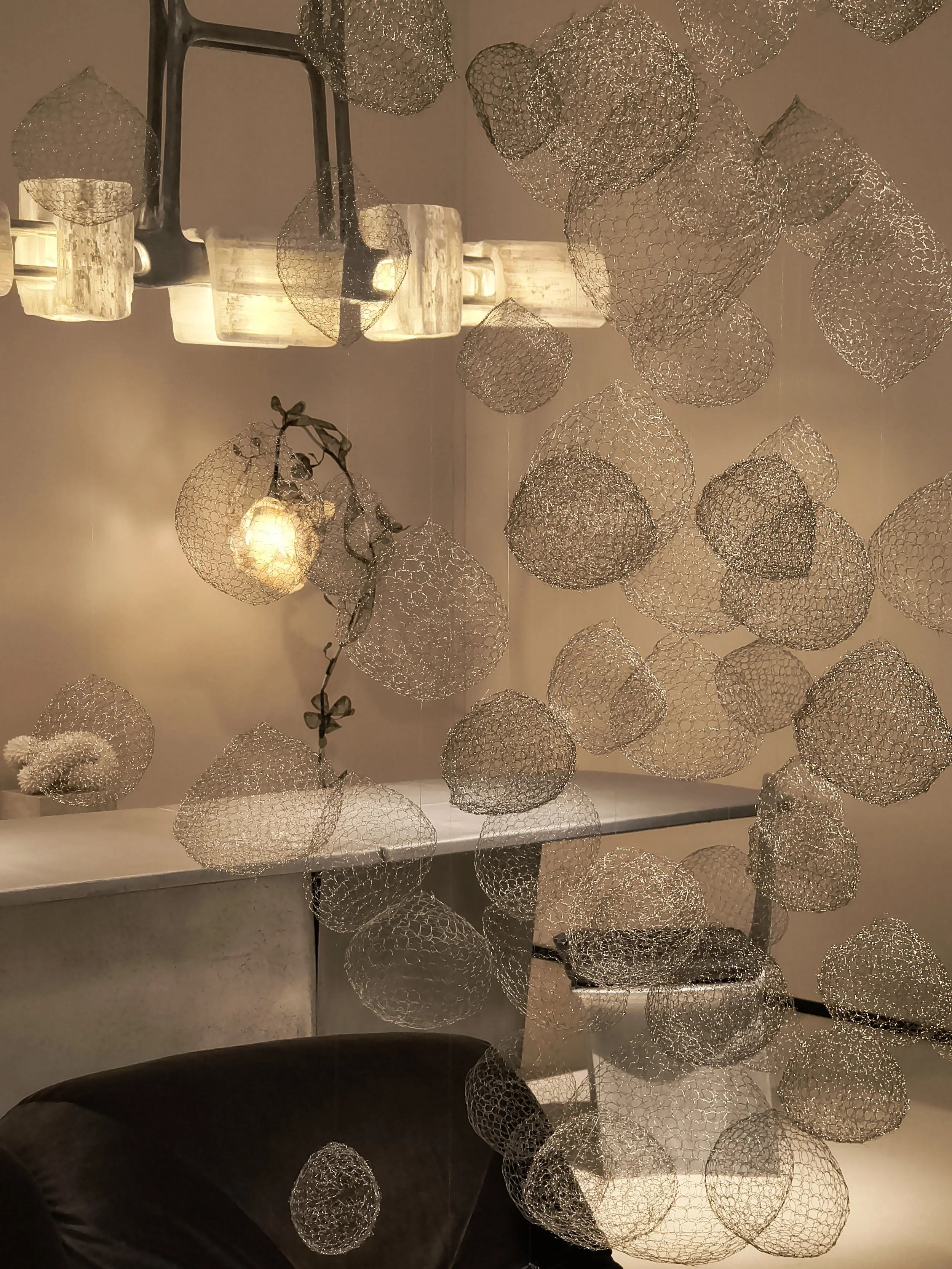
I found myself looking at familiar materials in a different way. The transparency of glass, the sculptural presence of ceramics transformed into artworks and decorative objects, the solidity of wood — which, through thoughtful design, could also feel unexpectedly light. Even metal appeared in a softer guise, moving beyond its usual associations with hardness and precision.
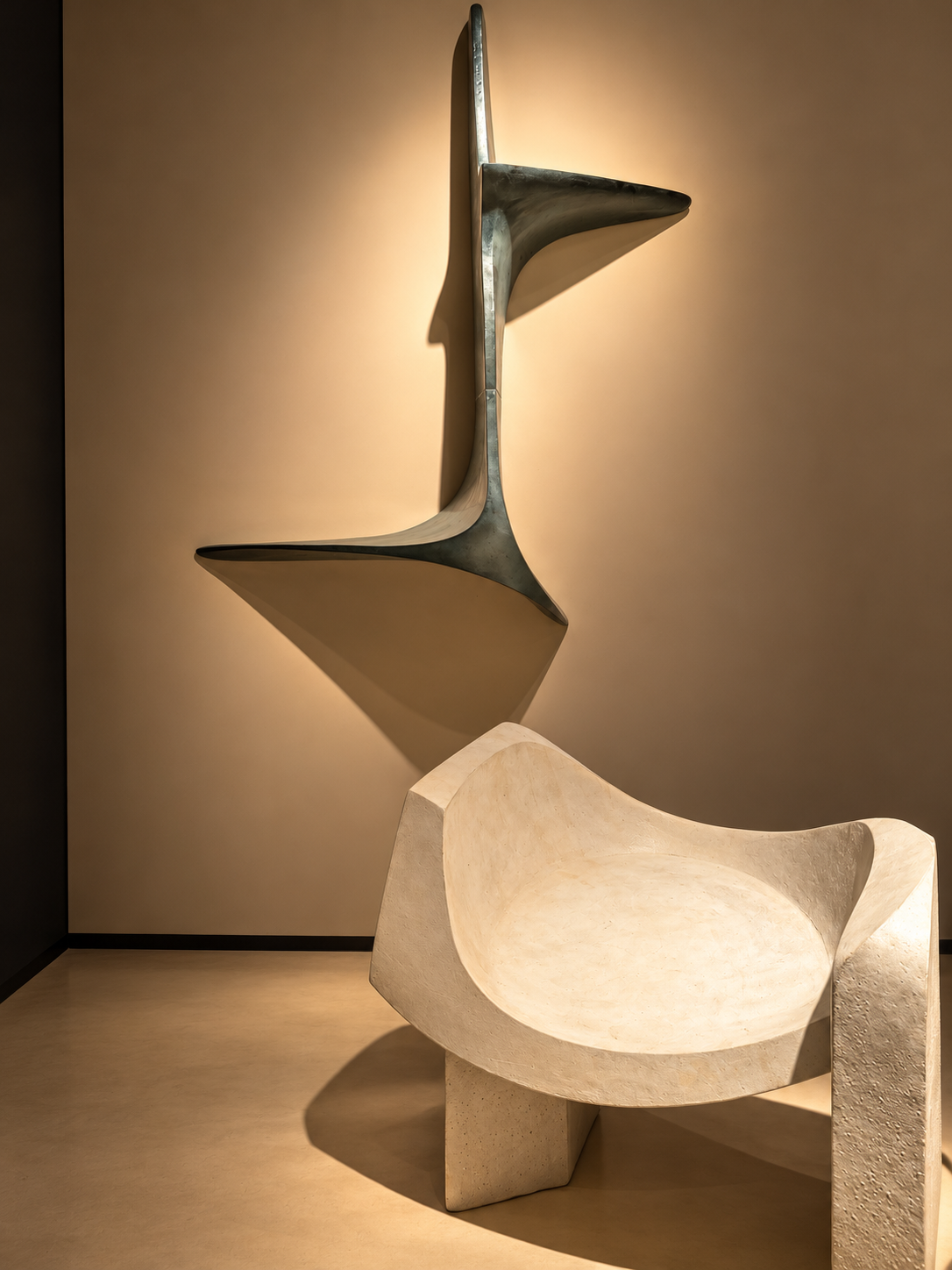
What stayed with me was not one material in particular, but the way they came together. Glass, ceramics, wood and metal each retained their own character, yet acquired a different quality when placed alongside another. The beauty lay in the relationships between them: in the contrasts, the textures and the unexpected combinations.
It was a reminder that good design is not always about making a statement. Sometimes, it is about understanding the potential of a material, exploring its possibilities and allowing its natural qualities to speak for themselves.
The beauty of the unexpected
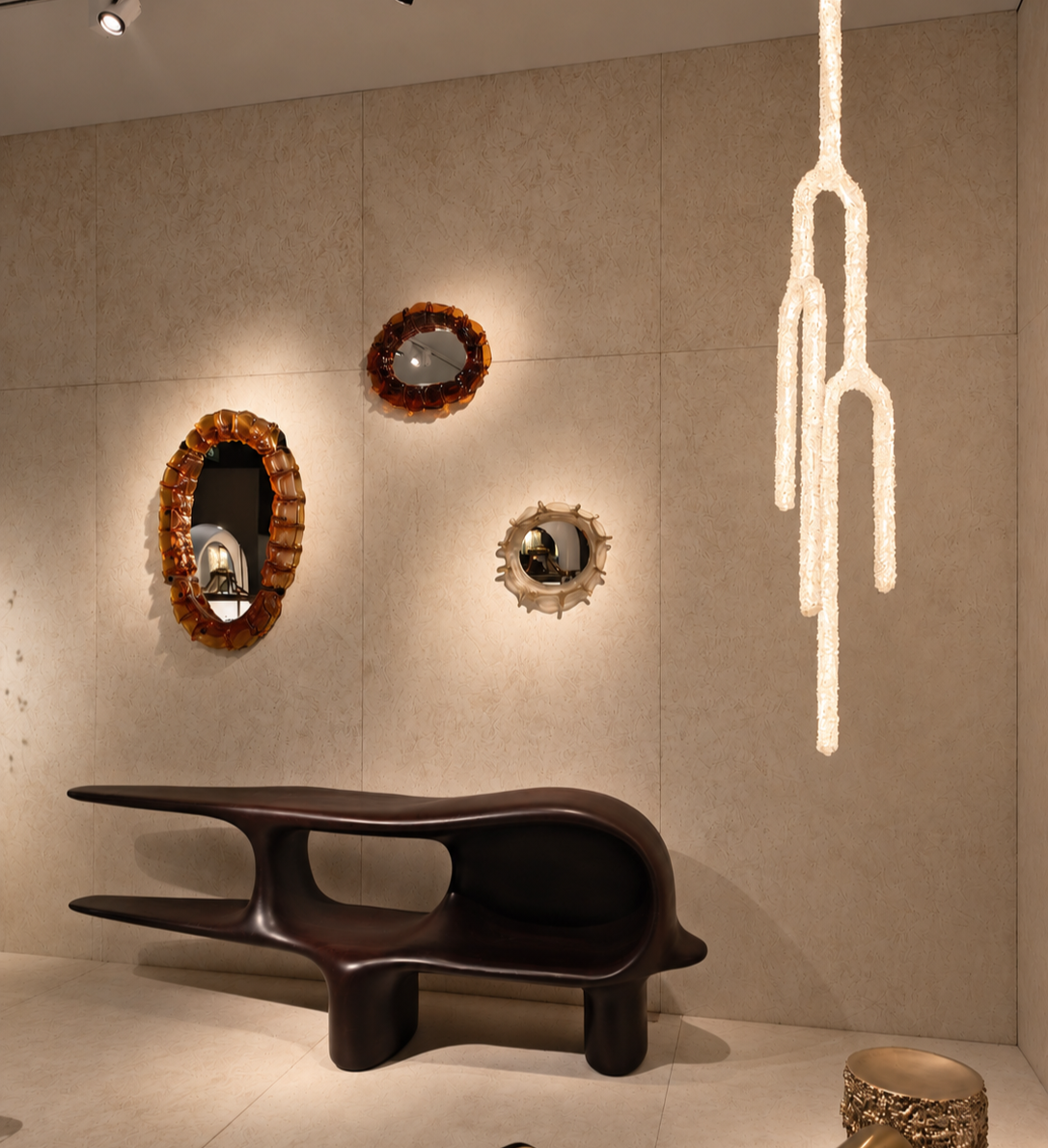
One of the things I find most interesting about interiors is the way different styles can come together without losing their individual character.
A contemporary sculptural object beside an antique piece of furniture. A richly textured surface against something smooth and understated. A restrained palette interrupted by an unexpected colour or form.
These contrasts can bring depth and individuality to a space. Rather than competing with one another, the elements create a conversation — each contributing something different to the overall composition.
I believe the most compelling interiors are rarely those in which everything matches perfectly. They are the ones in which each piece has a reason to be there, whether because of its craftsmanship, its material, its history or simply the feeling it evokes.
PAD was a reminder of how much creativity lies in these relationships, and how a single object can change the way we perceive everything around it.
Bringing nature into the design
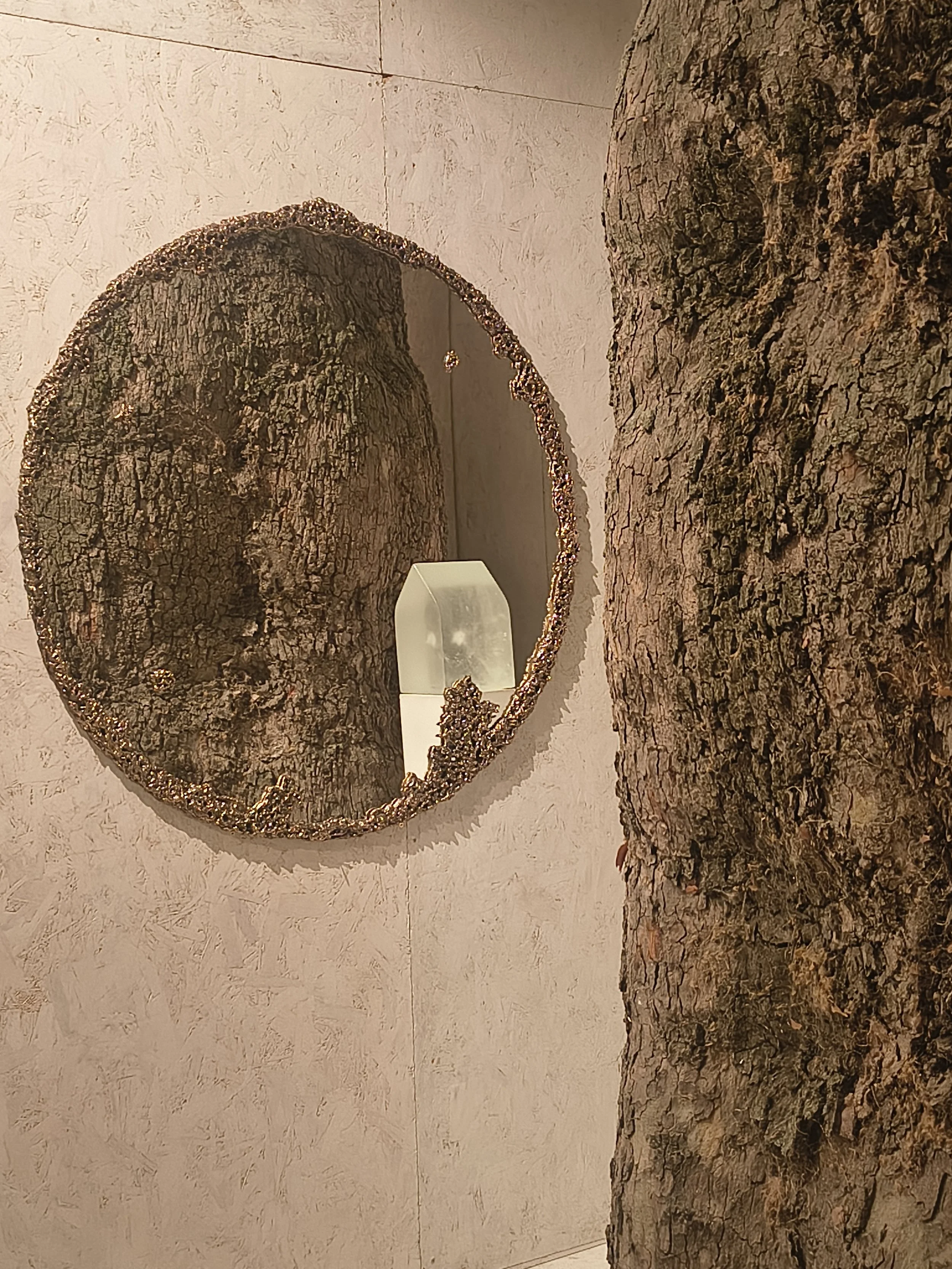
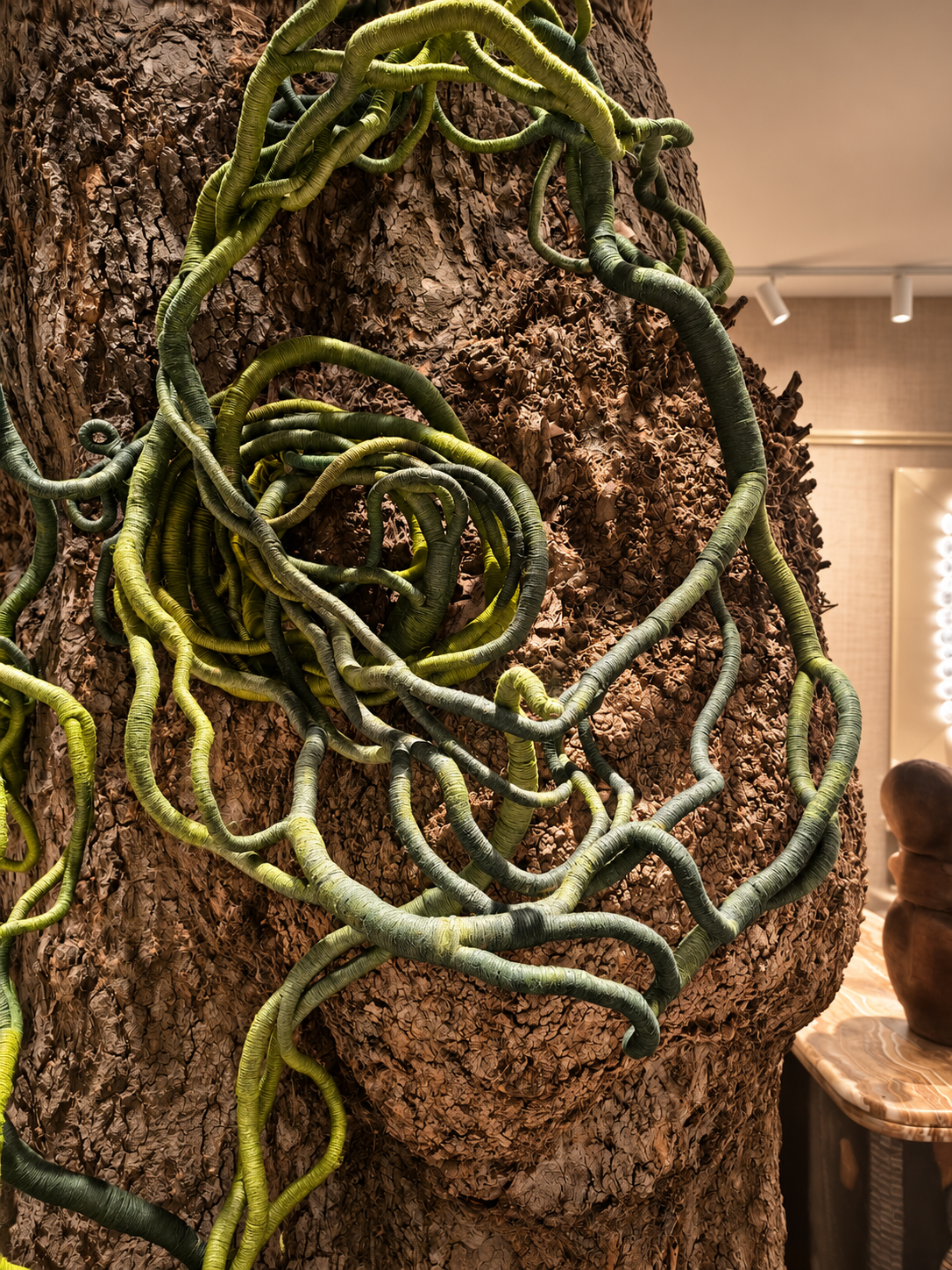
I was particularly drawn to the integration of the tree trunks from Berkeley Square within the exhibition space. Rather than treating the surrounding environment as a backdrop, these natural elements became part of the design itself.
For me, this was a meaningful gesture. It reinforced the connection between the objects on display and the natural world that inspires them, blurring the boundary between the exhibition and its surroundings.
This relationship with nature also resonated with what I observed throughout the fair: the earthy colours, tactile surfaces, organic forms and materials that reveal their character through their imperfections.
It made me reflect on how we can bring similar qualities into our homes. Not necessarily by introducing literal references to nature, but by choosing materials that feel authentic, embracing texture and allowing a space to develop depth through subtle contrasts.
Natural stone, timber, handmade ceramics and tactile fabrics can all contribute to an interior that feels grounded and welcoming. Their appeal lies not only in their appearance, but also in the way they change with light, age and everyday use.
When art and design meet
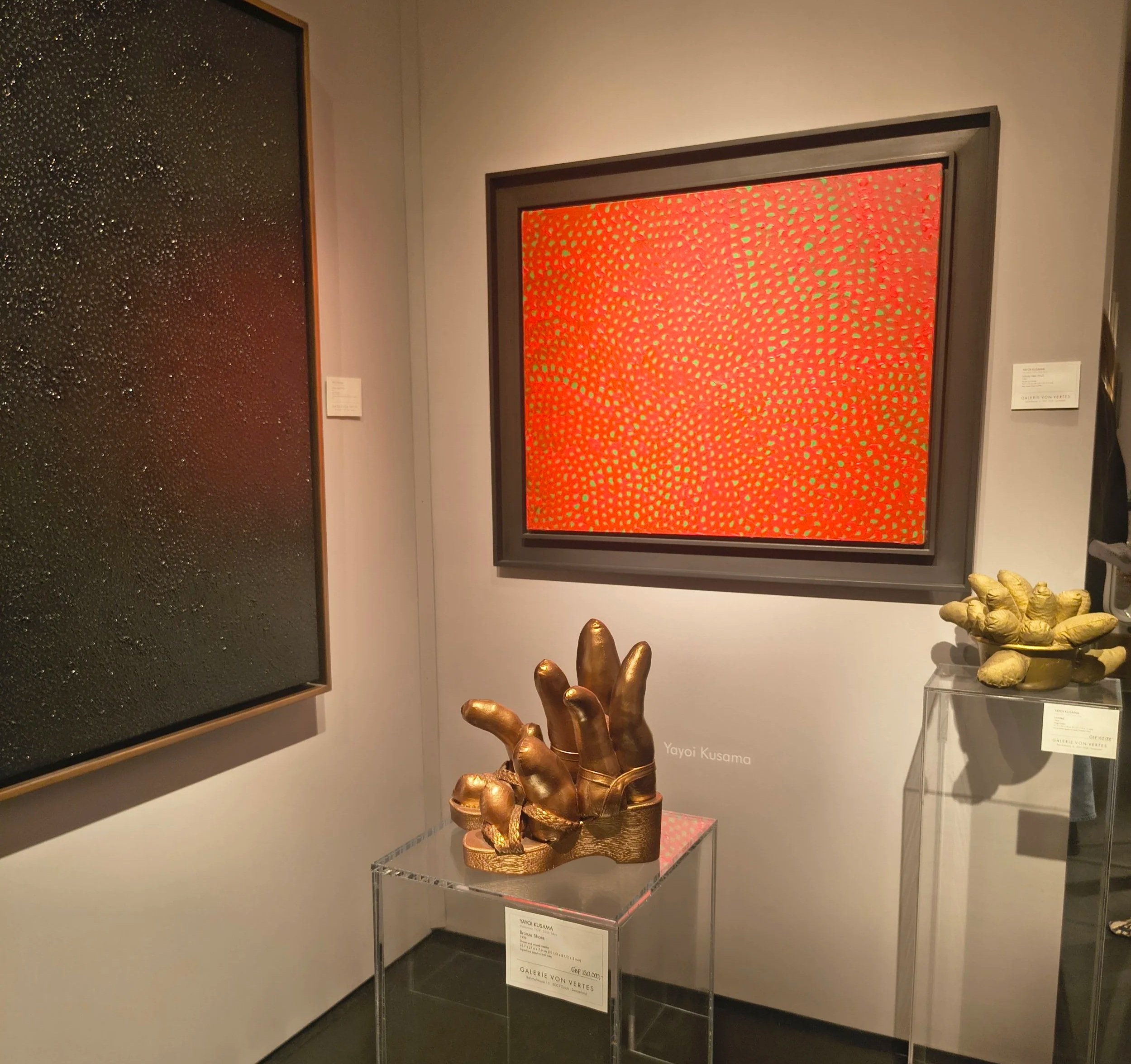
Among the galleries I explored were Mia Karlova Galerie, Charles Burnand Gallery, Objects With Narratives and Rademakers Gallery. Discovering their presentations added another dimension to the visit, encouraging me to look beyond individual objects and consider the stories, ideas and creative processes behind them.
One of my personal highlights was bumping into works by Yayoi Kusama at Galerie von Vertes, an artist whose work I have long admired.
Coming across her work during the fair was an unexpected pleasure. It reminded me that inspiration does not come from interiors alone. Art has its own way of challenging our perception, playing with colour, form and repetition, and inviting us to see the familiar differently.
For me, these encounters are part of what makes exploring the design world so rewarding: discovering something new, reconnecting with artists you love and finding references that resonate on a personal level.
Art and interiors may serve different purposes, but they share the ability to influence how we experience a space. A work of art can introduce emotion, tension or playfulness, transforming the atmosphere around it. It can also become the starting point for a wider conversation between colour, materials, furniture and architecture.
Taking inspiration home
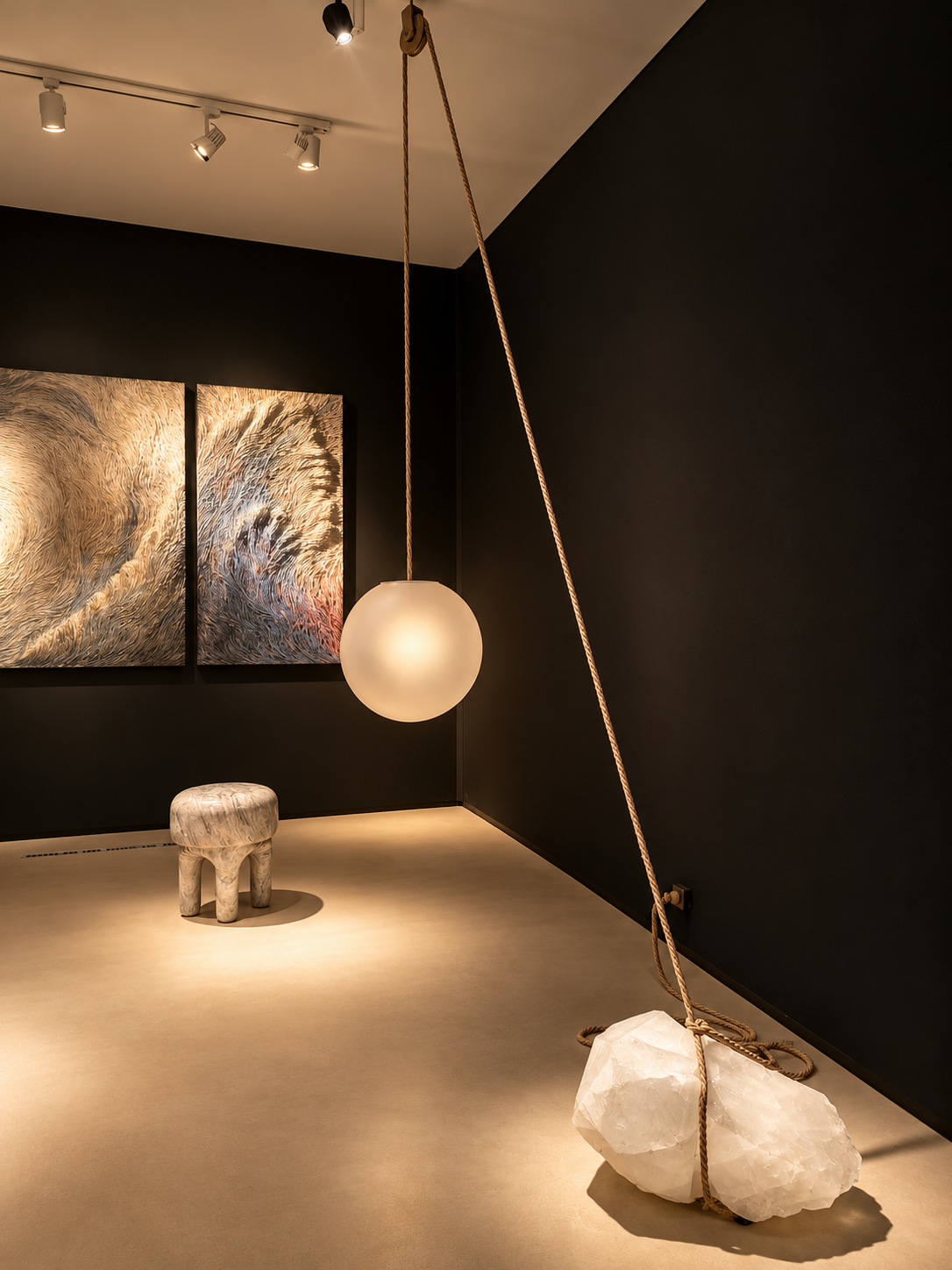
I came home with my eyes full of beautiful things, a head full of ideas and a longer list of suppliers I want to discover.
For me, that is one of the most valuable aspects of visiting a fair like PAD. It opens the door to people, materials and creative approaches that I might not otherwise encounter, encouraging me to look further, ask questions and explore possibilities beyond the familiar.
Some discoveries may find their way into future projects; others may simply stay with me as a reference, influencing the way I see a material, combine textures or approach a detail.
Not every source of inspiration needs to lead to an immediate decision. Sometimes, it is enough to see something beautiful, feel curious about how it was made and carry that feeling with you.
In a residential project, I always return to the people who will live in the space. A beautiful object needs to work within the rhythm of everyday life, not compete with it. The most successful interiors make room for both practicality and individuality.
That might mean introducing one sculptural light rather than several decorative accessories, combining contemporary furniture with something inherited, or allowing a natural material to become a feature in its own right.
It is not about filling a home with beautiful things. It is about choosing the right ones.
Beyond the beautiful object
I left PAD London with a renewed appreciation for the importance of looking, exploring and allowing ourselves to be surprised.
The fair reminded me that creativity needs to be nurtured. It grows not only through the work we do, but also through the experiences we make time for, the people we encounter and the details that invite us to look a little closer.
For me, a home should feel considered without being rigid, refined without losing its warmth. It should reflect the people who live there, with room for contrast, individuality and the unexpected.
Ultimately, the most meaningful interiors are not simply collections of beautiful objects. They are spaces in which materials, forms, art and personal stories come together to create something that feels unmistakably yours.
SHARE THIS ARTICLE